
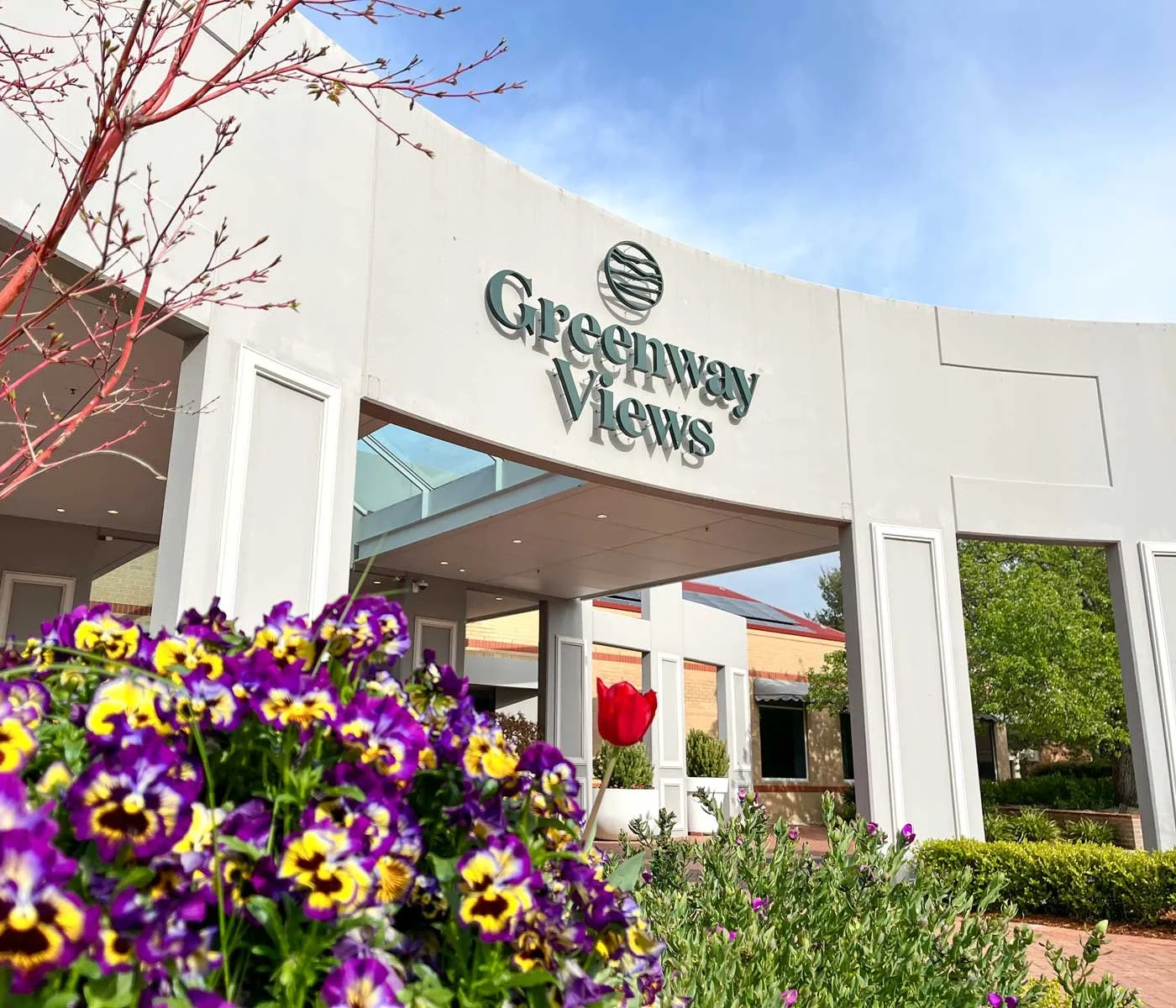
Innovative hospitality approach pays off for LDK Greenway Views residents


This year’s Project of the Year winner in the QLD/NSW State Excellence Awards was the hospitality project at Canberra seniors’ living village LDK Greenway Views. We spoke to its General Manager Michelle Bennett to find out what it entails.
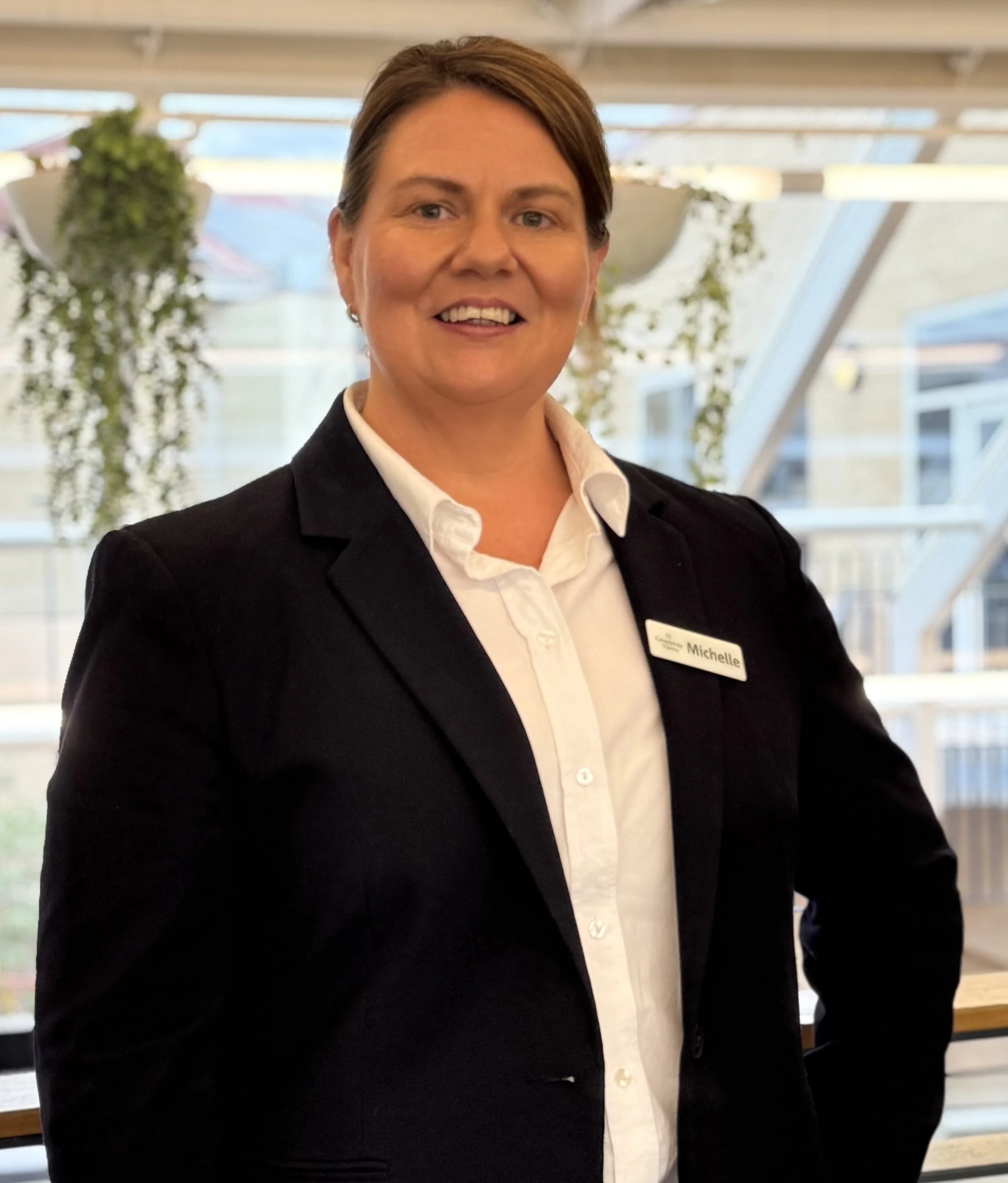
GM Michelle Bennett
LDK Greenways Views is a purpose-built seniors’ living village in Canberra which supports independent living for residents while also ensuring personalised care is available as needed through a dedicated onsite team. This integrated model includes domestic assistance, personal care, clinical care from registered nurses and high care, dementia care and palliative support – all tailored to each resident’s preferences.
In developing this innovative approach, an area of particular focus for management and staff was freeing up the hospitality service from the limitations of traditional aged care foodservice like fixed mealtimes, standardised menus and limited choice. This was the impetus for the LDK Greenway Views Hospitality Project, which has established a flexible, scalable system to deliver personalised dining options to more than 350 residents.
“The project grew out of our ‘one move’ promise to residents – that is, they can stay with us to the end of life, either entirely independently in their own home or in a more supported care model as required,” explains General Manager Michelle Bennett. “We opened in 2020 with around 70 residents, and as we got to know them and understand their needs we recognised we needed to keep evolving so we could not just accommodate their current requirements, but also build a system which would sustain us as we grew towards our goal of 400 residents.”
The village originally operated under the government’s home care funding, then transitioned to the current supported home funding program. “Currently around 65 per cent of our residents are receiving some form of care and with that comes complexities around nutrition, dietetics, texture modified meals and so on,” Michelle says.
“It has to feel seamless to residents, but in the background it was actually very complex to pull together. We always describe ourselves as ‘one LDK’ and say it takes a village to do what we do.”
“We saw we needed a system and workflow that would meet their changing needs, which can happen quite quickly as people age. Another complexity was working out how we could adapt our point of sale system so our residents would not be out of pocket with their home care supported funding. Typically they are reimbursed afterwards, but we wanted to configure our POS system to identify when a resident has the option to use their supported home funding and have the amounts deducted from that so they don’t need to be reimbursed at a later stage.”
Resident feedback also informed the project’s development. “We found residents didn’t want to be restricted in any way – a lot of time when you’re operating under government funding, it comes with restrictions like fixed meal times and where the food is served. We wanted our residents to be able to choose what and where they wanted to eat while also ensuring all six of our food options met the funding requirements.”
The six options embrace a restaurant, three cafes, a meal delivery service which residents pre-book weekly, and cook-chill meals which residents can choose from the fridge. “We have 55 team members in our kitchens and foodservice operation,” Michelle says, “and we also have care team members on hand to support with texture modified meals and so on.
She adds that the hospitality project was not implemented overnight: “Six months into opening we identified we had an opportunity to set ourselves up for success – and it took at least 18 months of continual improvement and feedback loops to make certain we had everything covered off. And of course we are continually reviewing to make sure it can sustain as a business model into the future.”
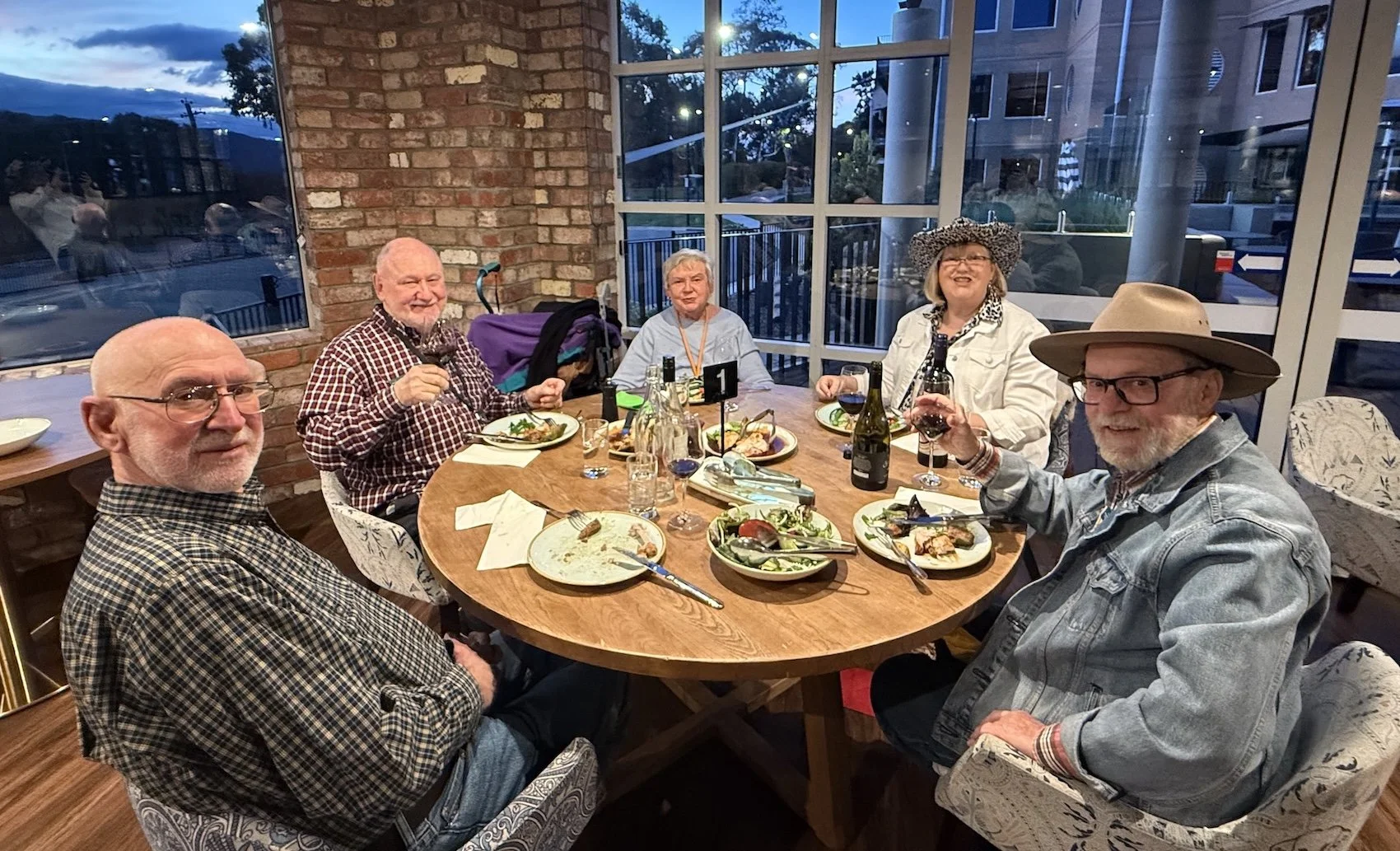
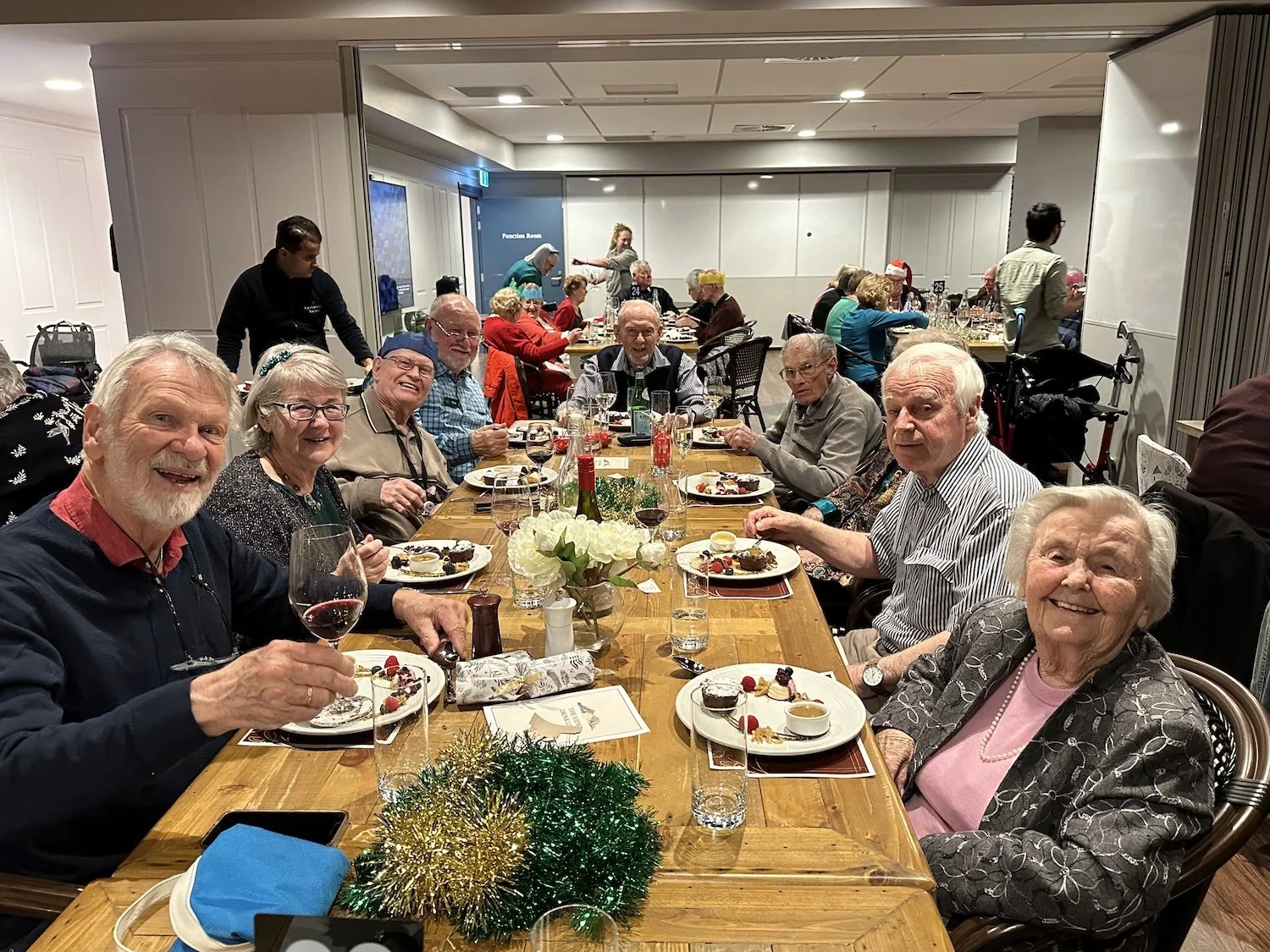
A key focus was to create meal environments which would encourage residents to come together and socialise with each other, while also inviting family and friends as desired. “We know that socialisation tends to reduce loneliness, so we wanted to provide those opportunities to residents, without being restricted to set times – flexibility of choice is very important, as is setting: do you want to be in a casual café, a restaurant, a buffet environment? Our residents also have kitchens in their homes – even the care area studios have cooking facilities – but if they don’t feel like cooking themselves, there’s always another option for them.”
The successful implementation of the project necessitated the various staff teams to work together as one. “It has to feel seamless to residents, but in the background it was actually very complex to pull together,” Michelle says. “We always describe ourselves as ‘one LDK’ and say it takes a village to do what we do. Obviously our hospitality team played an instrumental role, as did our support office, our care team members who understood what they need to do in support, and our executive team who embraced the concept, invested in and launched it and set it up properly.
“A big part was ensuring all communication pathways were kept open across all stakeholders – from dietitians and speech pathologists giving advice on modified meals, to input from family members which we always strive to react to in a timely manner. We’re using three different systems within the village to align the care requirements, hospitality requirements and government funding requirements for each resident’s meals.”
One of the project’s goals was to make the food offering so good that no resident would feel the need for cook for themselves unless they wanted to. “As I said, we wanted to increase socialisation but there are some barriers to that – for example, some residents may not feel comfortable going to one of our cafes and sitting on their own, so we made sure we had communal tables and seating. In terms of scaling the project, we always knew we wanted it to embrace the whole of the village – so that regardless of whether a resident is living independently or has transitioned to one of our care cottages, they can have the exact same dining experience, not be restricted and also have their loved ones join them for a meal whenever they want.”
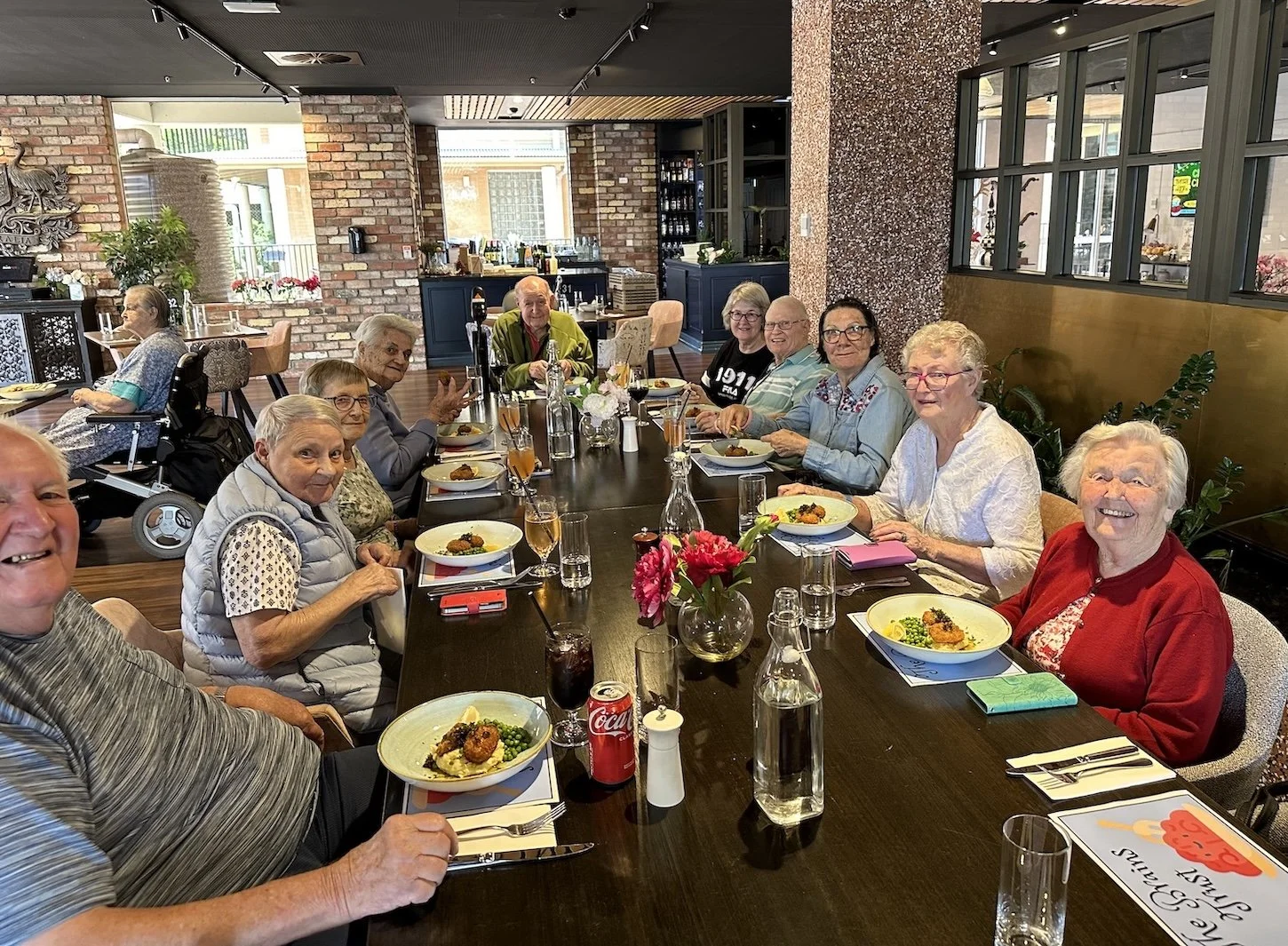
Michelle says it has been very rewarding to see the positive impact the project has had. “We always say meals and cleaning are the easiest ways to get a foot in the door in terms of encouraging residents to accept more support and care as they age in place – they look at our food offerings and think ‘maybe I no longer need to invest my energy into cooking’. This program has helped to break down those initial care barriers and made our residents more receptive to the idea of accepting care, and we can then leverage that as they age.”
She believes LDK Greenway Views has set an example for others to follow. “We have a lot of industry come through and tour the premises and we do spend quite a bit of time showcasing the model because we are challenging how many other sites operate. And of course we’re always looking at how we can revise and evolve – thinking not only about the residents’ needs but those of their friends and family too. I think when our residents are happy do their entertaining in the village, to invite family and friends in to share our food, it shows we’re pretty on point.”
Michelle confirms the hospitality model pioneered in LDK Greenway Views has now been implemented across other LDK sites. “Looking to the future, we’ll be looking at how we can utilise emerging technologies to better support our teams – we need to ensure alignment with changing standards and always stay a bit ahead of the curve as our numbers keep growing.”