
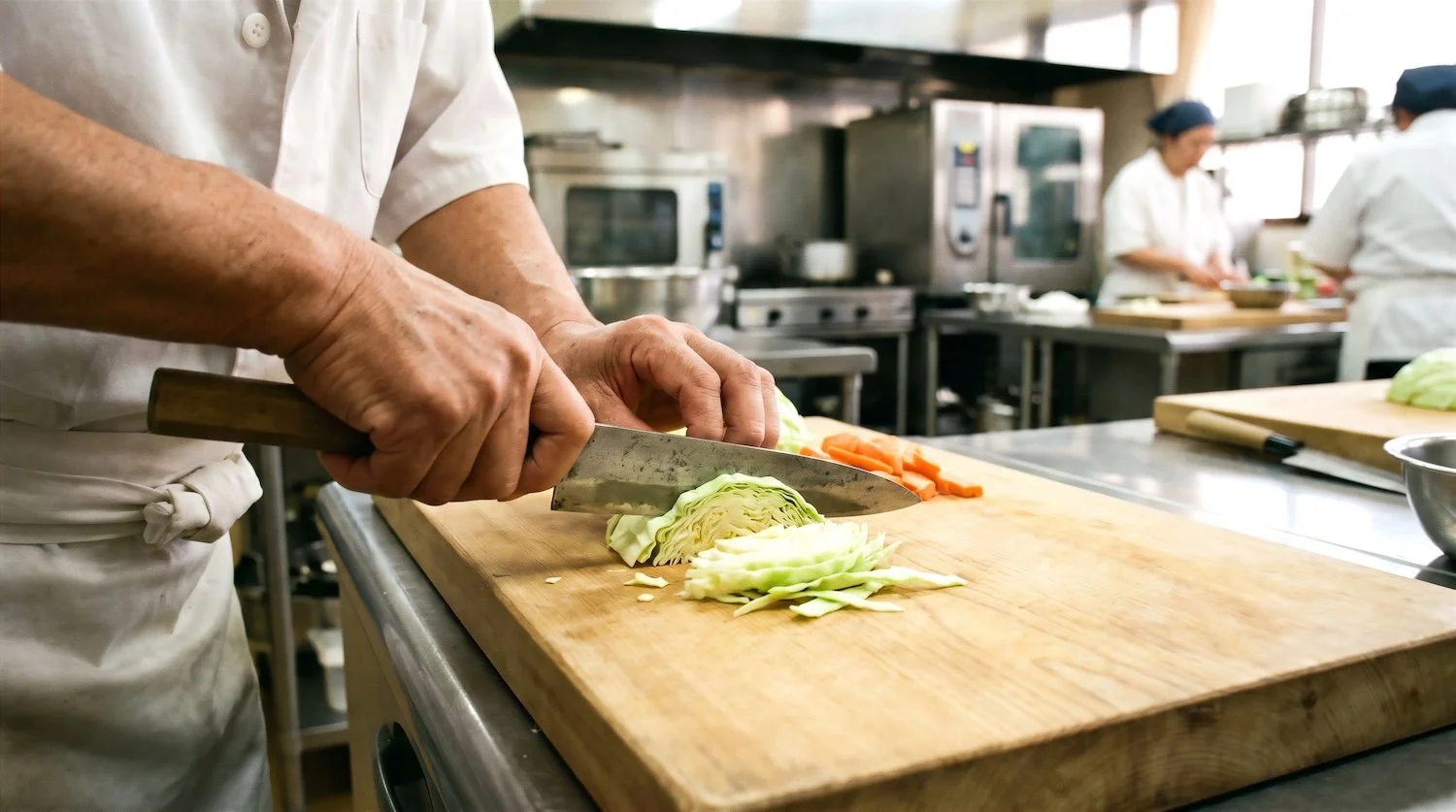
Aged care chef survey highlights the need for better communication between hospitality and care teams

Conducted nationally across 50 aged care chefs, the Aged Care Kitchen Pulse Survey included some surprises among its key findings – according to Catering Operations Specialist Lindsey O’Grady, who conducted the survey on behalf of RiseUp Group and with support from the Australian Institute of Technical Chefs, for whom he serves as a NSW Representative and Committee Member.

Lindsey O’Grady
“Obviously the challenges around wages and food budgets weren’t a surprise, nor workforce capability and skills – but what I wasn’t expecting was the extent to which communication between workplace hospitality teams and care teams was highlighted as a problem,” Lindsey says.
Since the survey results came in, Lindsey has had opportunities to speak to a few industry leaders who’ve said that if they were to survey their own teams, the consensus would be similar. “What was clear from the survey was that chefs don’t feel they’re being listened to enough, they don’t feel they have enough input. And given the undeniable fact that the expectations on aged care chefs have grown exponentially with the introduction of Standard 6, it does underline the need to give more support to our chefs through budgets, training and a professional pathway.

“That being said, there are lots of people who are now acting on the survey findings by bringing their catering teams and chefs together for mentoring sessions, uplift programs, two-day programs with all their chefs in the one room, which is a great thing to see. So I think there is change happening throughout the industry and I hope it grows and continues.”
“We need to recognise that chefs tend to fall into an aged care position and it’s not considered a career pipeline. I think once we have a different narrative around what aged care chefs do and recognise the value they contribute, we might start to attract the leaders we’re going to need for the future of the industry.”
Lindsey argues the survey results should be seen as a call out to the sector to better engage with their hospitality teams. “I believe this is the first survey of its kind to be done in Australia, but I’ve been in the industry for 20 years and there have been conversations around this topic all that time – in fact some chefs reached out to me about the survey and asked, what is it going to change? As an industry we need to keep following this up – to get into the rooms where decisions are being made and discuss these issues openly.
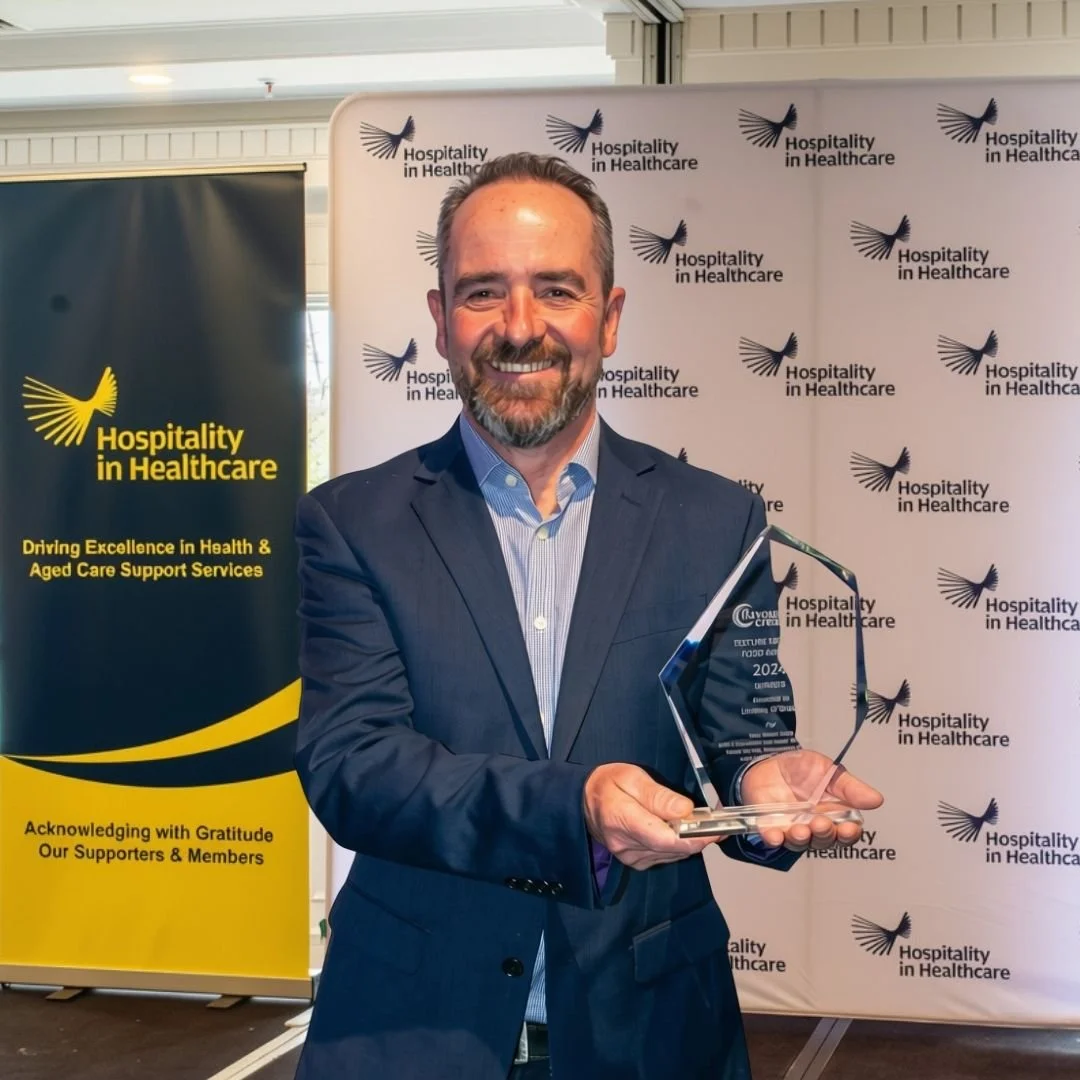
Lindsay with Flavour Creations Award
“We all know right now that financial and funding pressures are highlighting how hard it is for smaller providers especially to stay afloat in the aged care space, and yes, some of the things we’re talking about cost extra money. But when we get the food budgets and capability training right, once those tools are in place, we’ll see the uplift on the plate that we’re always talking about.
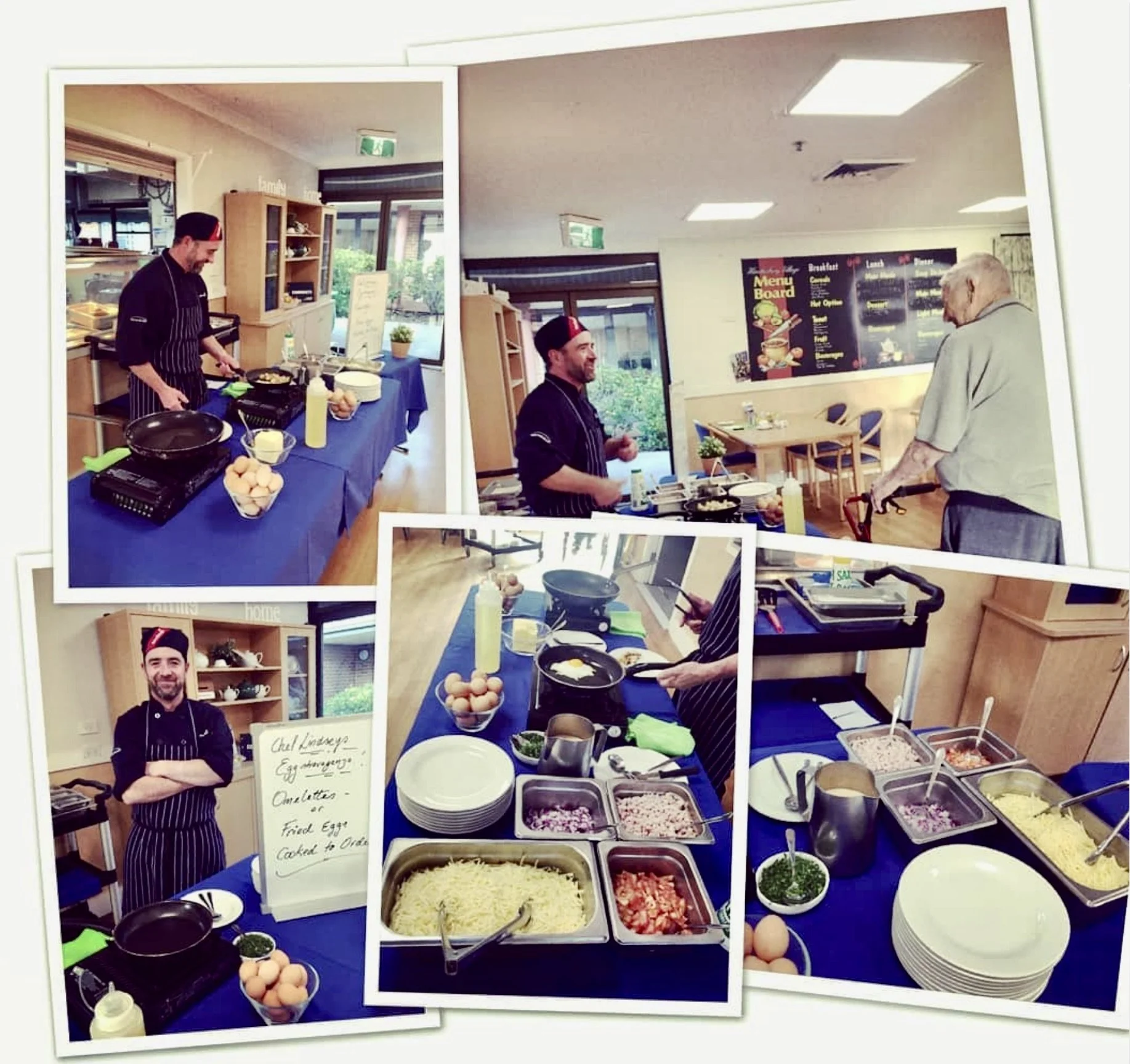
“It’s also about challenging the typical narrative regarding the role of an aged care chef. There is still this view that hospitality teams are support staff, but there’s so much expectation pout on them nowadays across so many different avenues – we need to open up a conversation around the fact that they have to consider allergens, respect the dignity of residents, consider the nostalgic connection of food, be present in the dining room for feedback, attend forums with residents and families and be part of the clinical solution.

“We need to recognise that chefs tend to fall into an aged care position and it’s not considered a career pipeline. I think once we have a different narrative around what aged care chefs do and recognise the value they contribute, we might start to attract the leaders we’re going to need for the future of the industry. None of that costs money, and once we invest in finding solutions we’ll have better nutrition, hence reduced reliance on supplements, which means we can actually save money by reducing the prevalence of malnutrition among residents, along with better results in terms of weight management.”
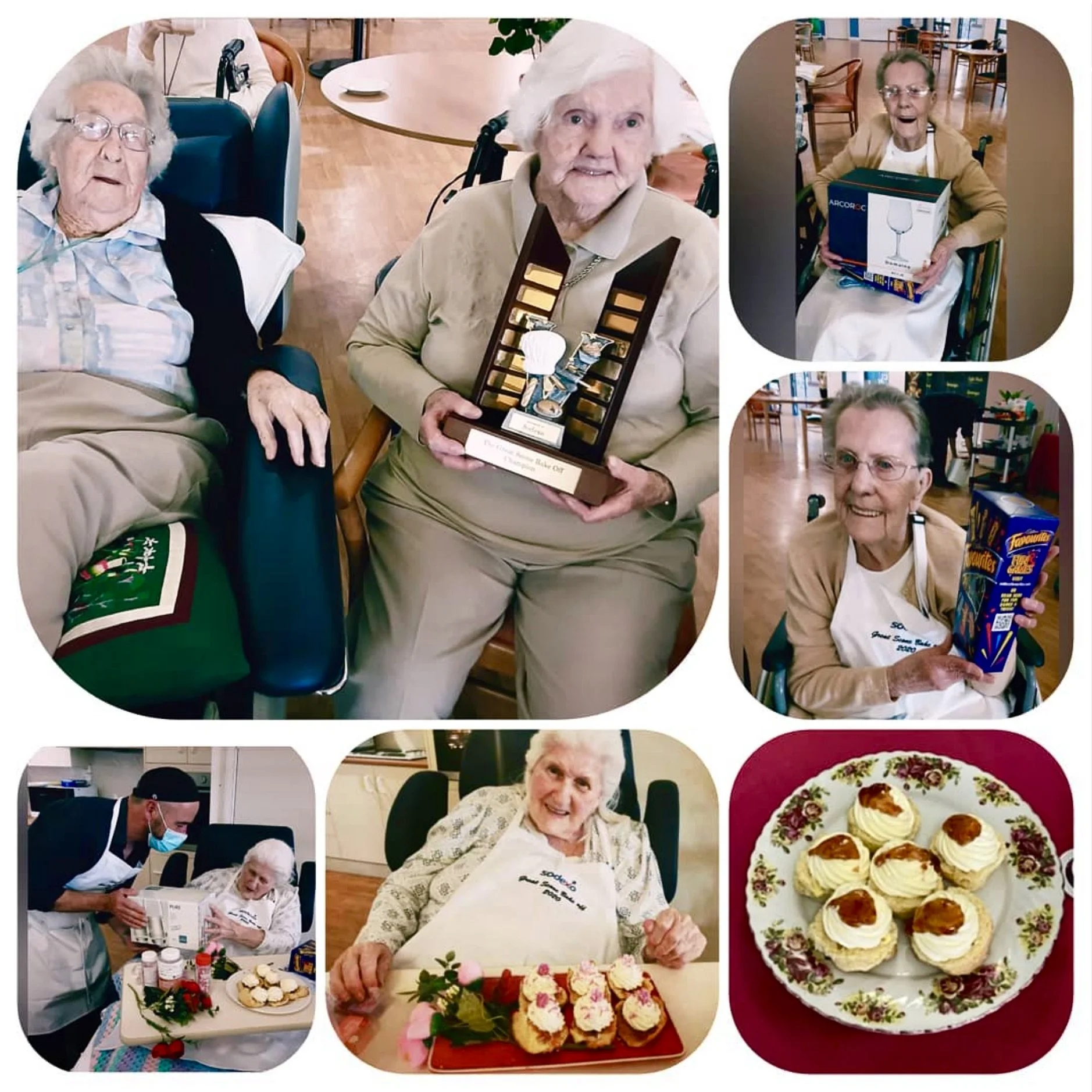
Lindsey says initiatives like the Hospitality in Healthcare Culinary Competition, introduced five years ago to help boost the profile of aged care chefs, play an important role in raising awareness. Another example is the annual Flavour Creations Texture Modified Food Awards which are presented each year at the Hospitality in Healthcare Conference. Having won the event twice and then invited back as a guest judge, Lindsey is now a permanent judge of this competition.
“It’s one means of showcasing the specialised work that aged care chefs have to do – texture modified food presents challenges that your regular commercial chef doesn’t have to worry about,” Lindsey points out. “We’ve already commenced the first round of judging for this year and as always, the entries are very impressive, which again underscores the skillsets that aged care chefs are expected to bring to the table.”
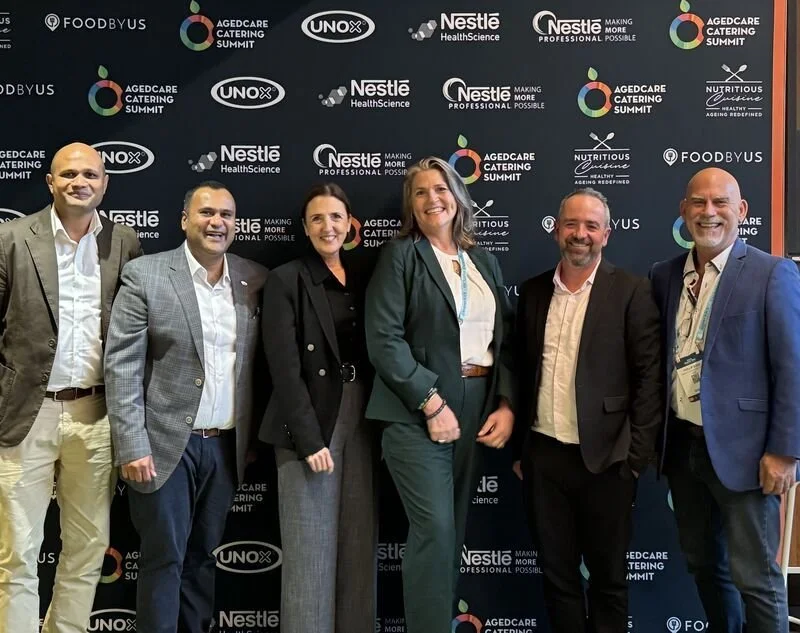
Lindsey will be talking about the survey’s findings in a Conference session on Monday October 12 at 4.45pm, and will also be contributing to the Choice Collective Panel: “It’s great to see suppliers to the industry coming up with ways to support and solve problems when it comes to Standard 6 implementation, and it’s a great opportunity to bring everyone into the same room.
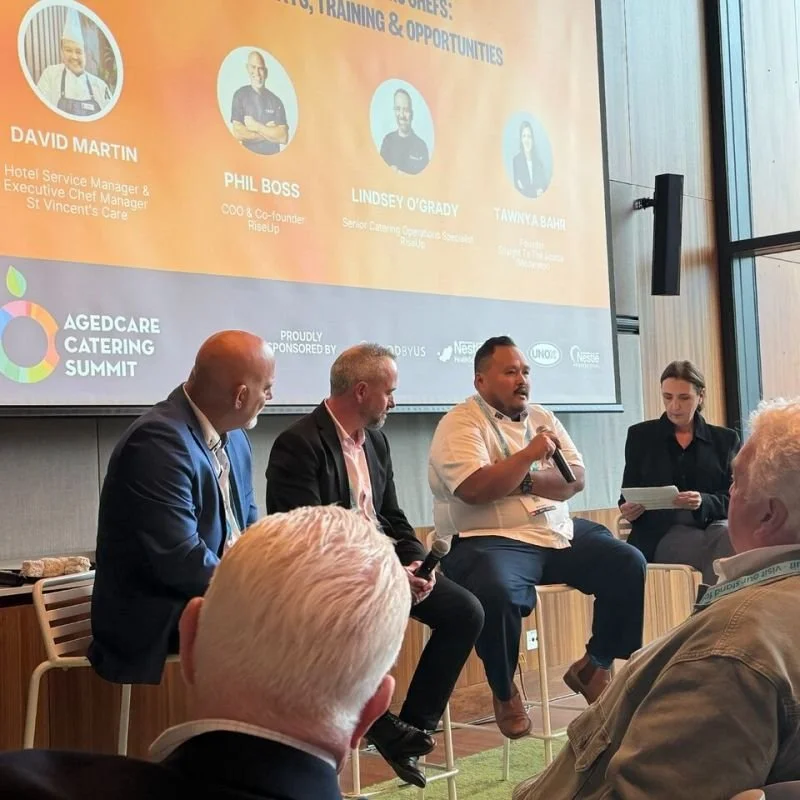
“When you bring suppliers and providers together like this, sometimes people hear solutions they haven’t thought of and that’s very important. Different suppliers and different organisations have their own strengths and learnings and it’s important we find ways to break out of our individual silos and come together to help resolve some of these issues.”