“More than just providing a meal”: The Wesley Hospital’s move to the room service model

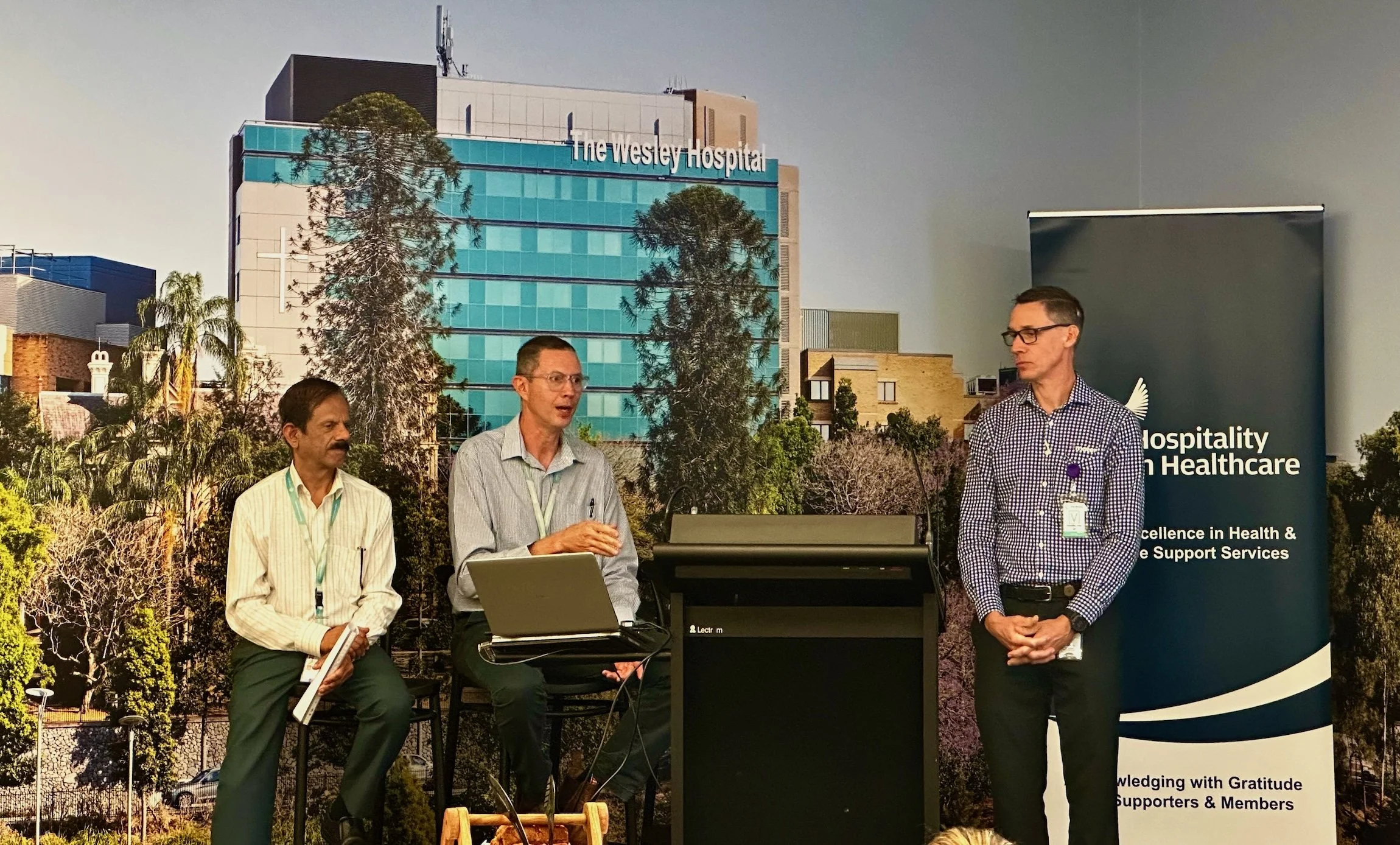
With The Wesley Hospital in Brisbane having recently adopted the room service food delivery model and instituted a new on-demand kitchen, Hospitality in Healthcare spoke to Hospitality Services Manager Luke Hoskin and Operations Manager Food Services Mahadevan ‘Jegy’ Jegatheesan for an insight into the benefits of the new approach and the process involved in bringing the changeover to fruition.

The Wesley Hospital - Brisbane
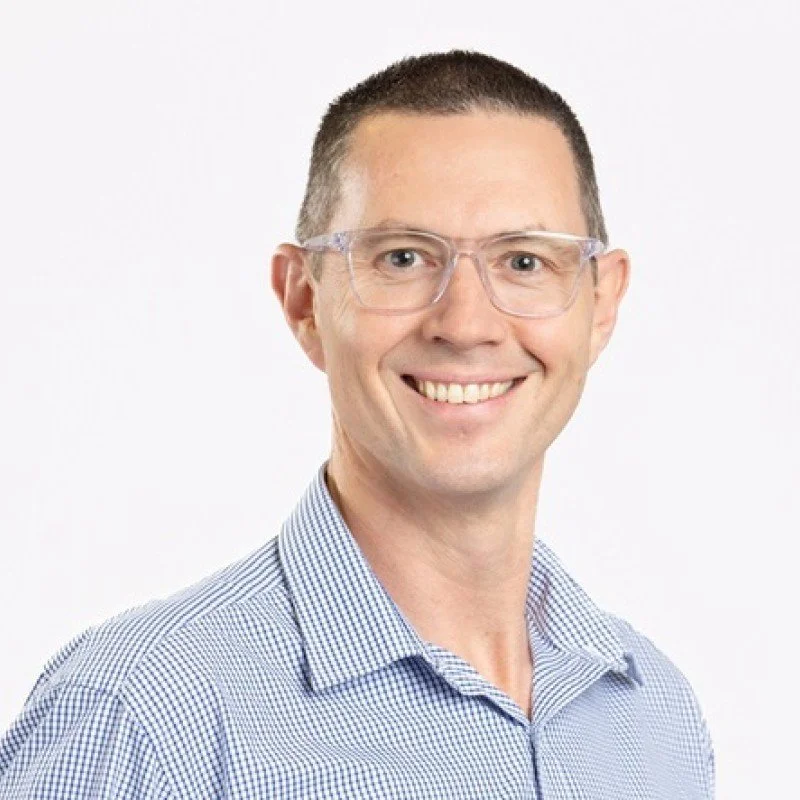
Luke Hoskin - Hospitality Services Manager
The Wesley is a 535 bed private hospital in the heart of Brisbane which serves approximately 1300 patient meals per day. Luke has worked there for 14 years, initially as Operations Manager before moving into his current role seven years ago. Jegy has been on board for 18 years, spending a decade as Executive Chef before moving into his present position. Both see the adoption of the room service model as the culmination of many years of research, planning and preparation.
“I remember the first conversation I had about it was shortly after I started at The Wesley,” Luke recalls. “My predecessor Stephen Hopgood was quite passionate about foodservice delivery and improving the patient experience, and it wasn’t too long after that the Mater Hospital began doing a lot of work around data gathering in this area, looking at different food delivery models in the US and how successful they were. When they rolled that out we saw they were bringing on board a methodology that really changes the way we interact with patients via foodservice.”
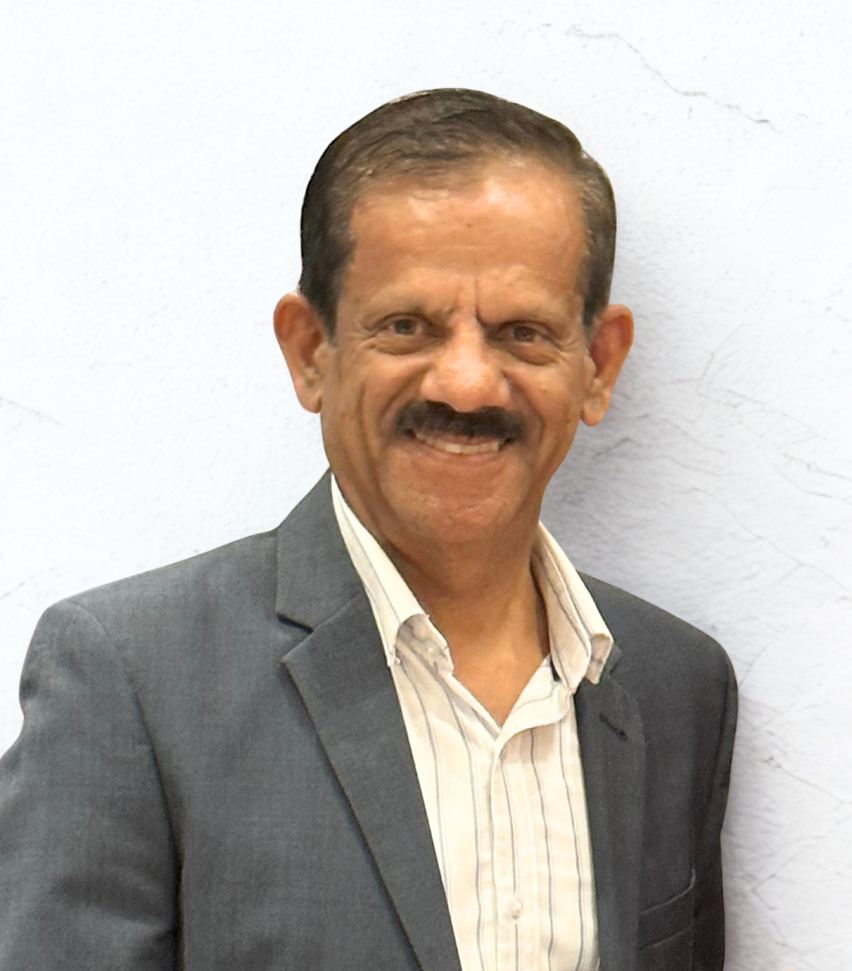
Mahadevan ‘Jegy’ Jegatheesan - Operations Manager Food Services
Jegy adds: “It was quite a shakeup, which encouraged a lot of other hospitals to start thinking differently about the food delivery model. With room service, patients are able to order what they want, when they want, and that means they’re more likely to enjoy and eat their meals. Many sites were looking at what The Mater were doing and thinking, this is great but how can we implement it? Whereas we already had everything in place so it was just a question of motivating ourselves to get it done.”
“We were fortunate that our group executive at the time were very much in support of implementing the model,” Luke tells us. “The initial challenge was to communicate the benefits of the change to the broader hospital population – everyone had to understand this was not just a foodservice uplift, but a hospital-wide project. Numerous people across multiple departments interact with foodservice, or their patients do, so many elements had to change. Ultimately it was all about working smarter and putting processes in place to support making safe and informed decisions, in the service of improving patient choice and driving better nutrition outcomes.”
Prior to the implementation of the room service model, The Wesley operated a paper-based 8-day menu cycle – patients ordered meals a day in advance, which were delivered at fixed times. All meals were assembled together on a conveyor-style production and dispatched in bulk, with stock buffers held in ward fridges leading to significant waste.
“This meant patients had very limited choice,” Luke explains. “The menu, food and delivery time were all set by the hospital, so there was no flexibility if a patient was having procedures during mealtime or fluctuating appetite. The 8-day menu also restricted variety, which leads to menu fatigue particularly for long-stay patients. Plate waste was running at approximately 30 to 35 per cent, which is expensive, and the reliance on a paper-based system meant we had no realtime data on missed meals, meal history or delivery performance.”
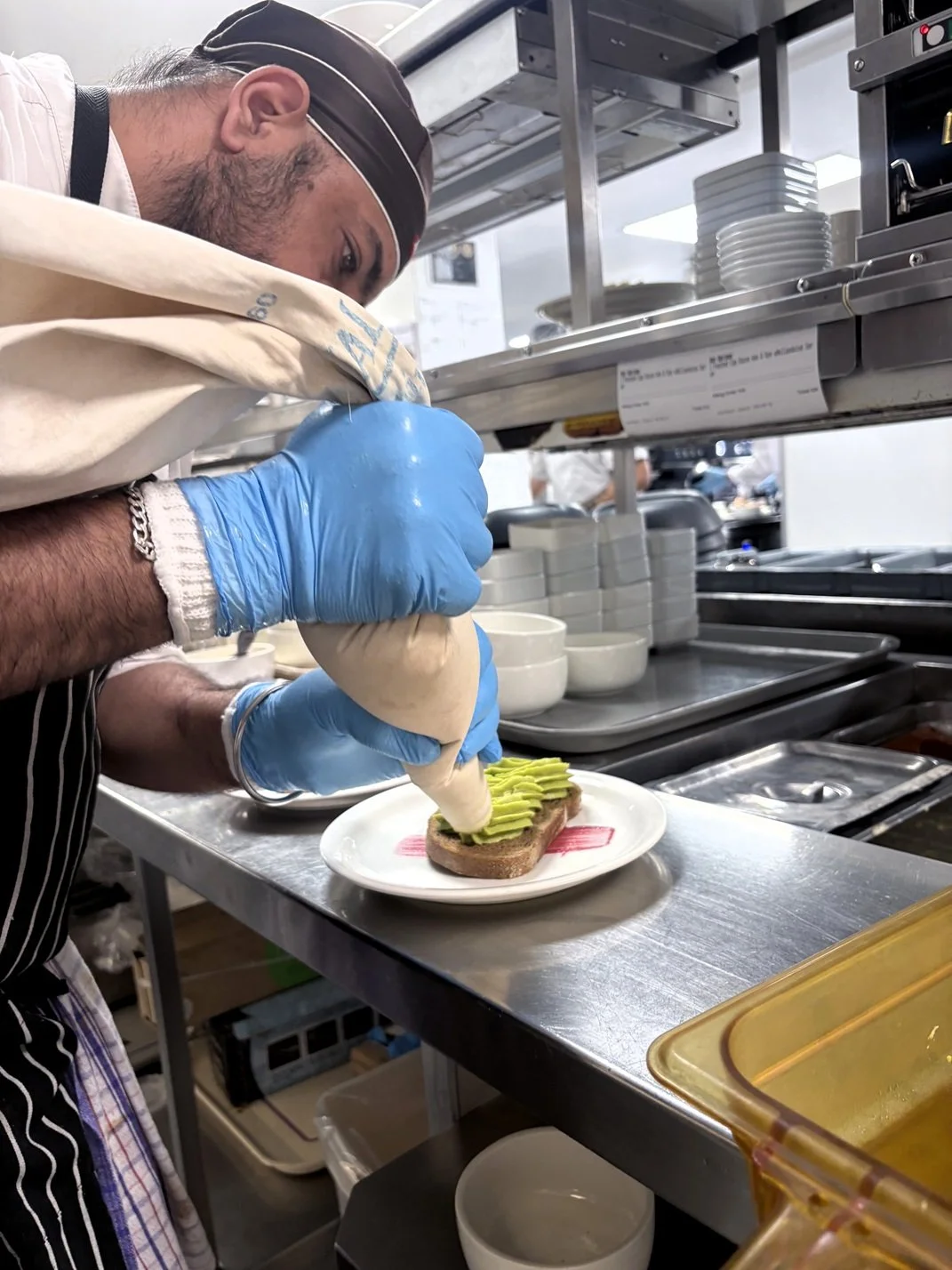
Moving to the room service model has delivered measurable improvements across all these areas. Patients now order their meals via mobile app or dedicated call centre, with a target delivery time of within 45 minutes of ordering. The menu is available from 6.30am to 7pm, with additional snack and food items accessible 24/7, and the old 8-day cycle has been replaced by a modular menu based on UnitingCare Queensland’s centralised database which, Luke says, “gave us a valuable head start on ingredient and recipe data”. The new food choices have been designed to meet contemporary meal expectations in a deliberate move away from the old ‘hospital food’ stereotype, with monthly chef specials to provide variety for long-stay patients.
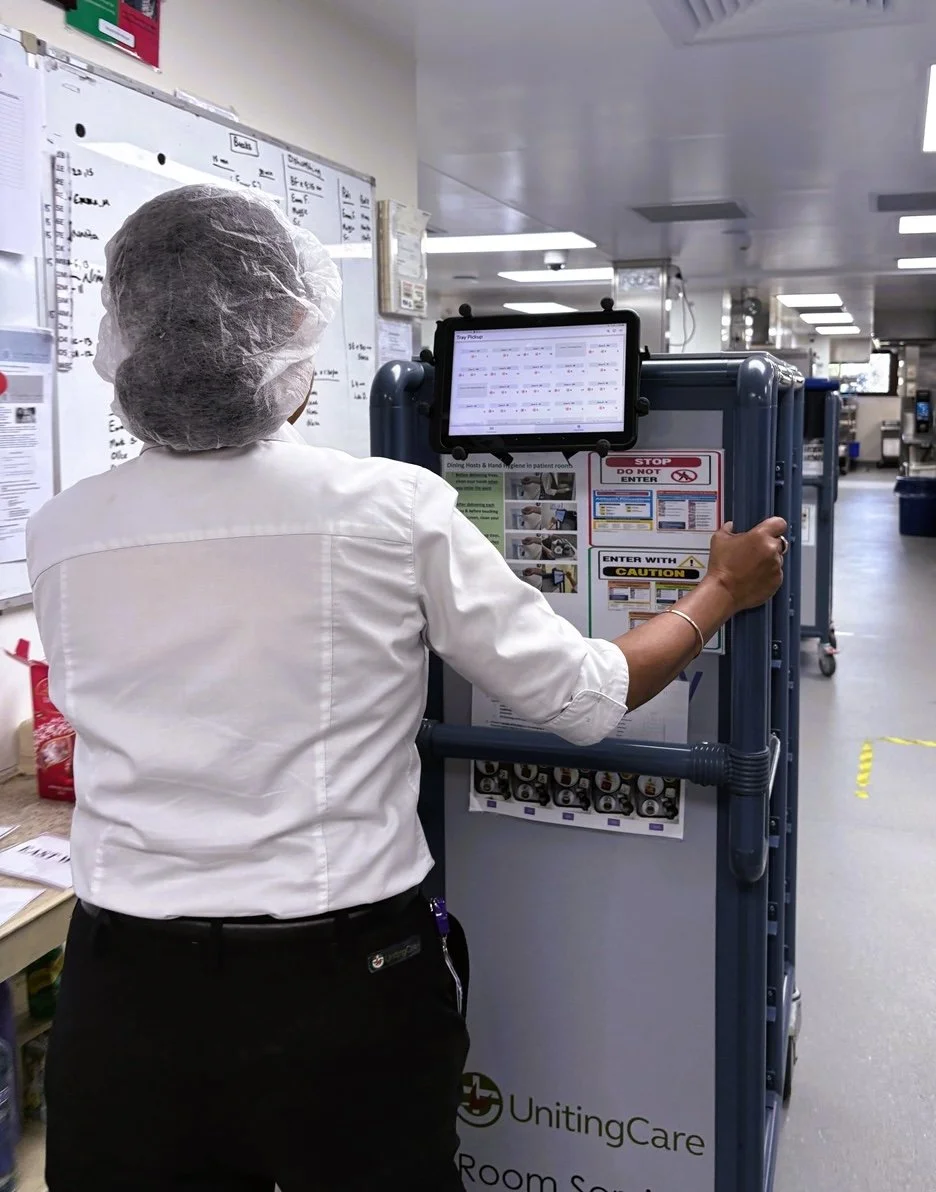
“Patients now control the meal, the timing and the portion – which is a fundamental shift from hospital directed food delivery to patient centred care,” Luke emphasises. “They have the flexibility to order and eat when they’re actually hungry, rather than when the schedule dictates. Family members can even place orders remotely from home on behalf of their loved ones, a feature that’s been warmly received. As a result, our patient satisfaction scores have risen to 82 per cent.”
The new approach facilitates dietary compliance and patient safety by ensuring patients are unable to order food that falls outside their prescribed diet, with all dietary restrictions, texture modifications and clinical requirements applied automatically at point of ordering. Allergen management is also built into the system, providing a significant improvement over the old paper-based model.
“CBORD’s NetMenu platform manages the end to end process from ordering through to delivery tracking,” Luke explains. “This means every order, dietary restriction and delivery is tracked and accountable from the moment the order is placed, with a central tracking board in the kitchen displaying all relevant information simultaneously. The CBORD consulting team, which included dietitians and foodservice professionals as well as IT specialists, supported us across the two year engagement and their experience was invaluable.”
He is particularly proud of the fact that plate waste has been reduced from 35 per cent to five per cent. “This is simply because when patients can choose what they want, when they want, they’re much more likely to eat all of it. The system also generates a missed meals report so we can flag those patients who haven’t ordered a meal and follow up with them, which means no patient can fall through the cracks.”
Luke says this combination of patient-directed ordering, realtime intake monitoring and proactive malnutrition screening is driving better patient nutrition outcomes. “The data we’re now capturing allows us to make evidence-based decisions about menu design, portion sizing and clinical diet protocols.”
“Just because someone is in hospital, it doesn’t necessarily mean they can’t enjoy their regular meals, and when you’re able to offer them good food it makes their stay so much more pleasant”
The hospital’s dietetics department was closely involved in the move to the new model from the earliest planning stages, with menu design, diet coding, allergen management and clinical diet protocols all requiring their input and expertise. “The mobile intake has fundamentally changed the dietitian’s role,” Luke says, “in that they now have realtime data at their fingertips rather than relying on nursing observations.”
The new system has also reduced the burden on nursing staff to monitor patient food intake manually, with realtime, colour coded visibility of every patient’s meal status from order through delivery now available across the entire ward.
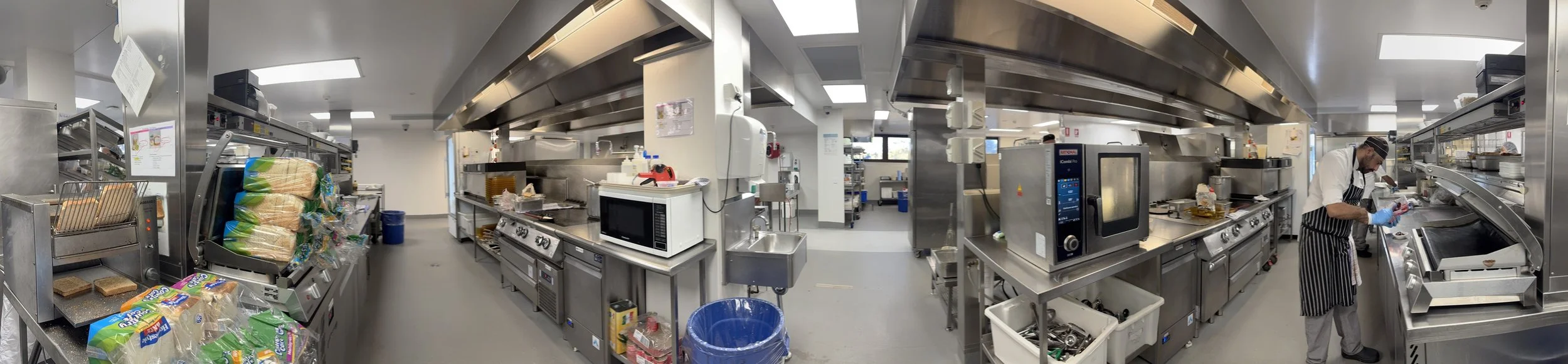
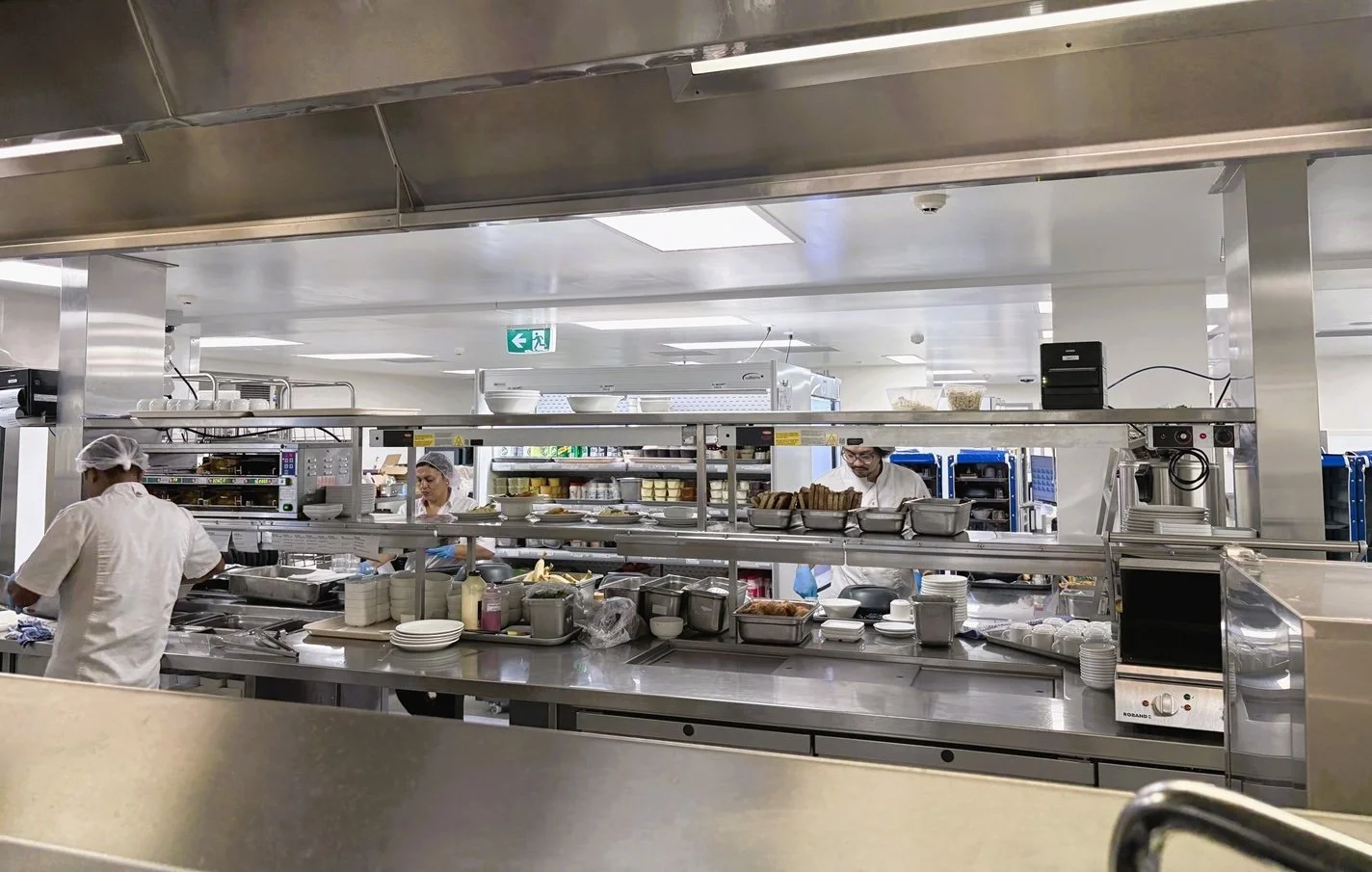
Implementing the room service model required a rebuild of the existing kitchen, which was achieved in seven stages over 18 months while maintaining full patient meal service throughout. The remodelling required rezoning of production and service areas, with workflow and equipment redesigned from the ground up. This was a significant investment by management, underscoring its commitment to the new approach.
Looking back on the journey from conceptualisation to implementation, Luke says: “Room service was a long time coming for us – but the delays meant we could capitalise on improved technology and learn from those who went before us.
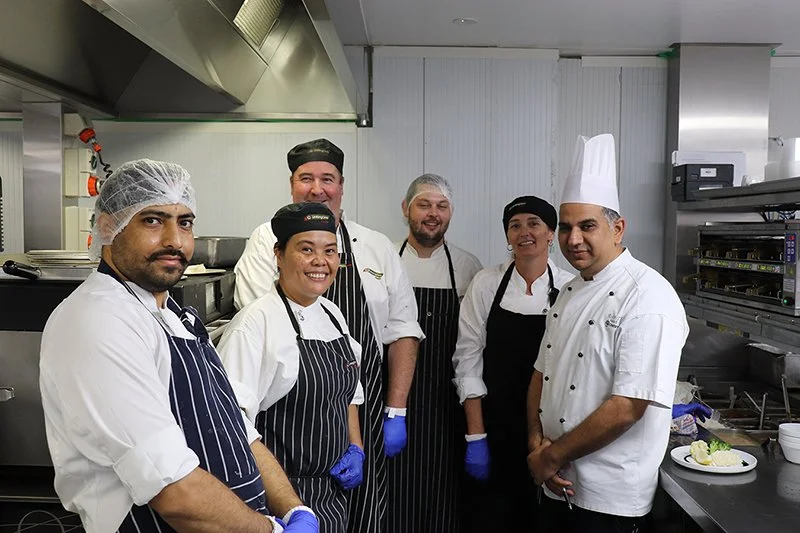
“It was a real learning curve – the transition from paper to digital, and from trayline to floor-based delivery required genuine change management. Once that was achieved, it’s now become second nature for staff, and we’re really proud of the ‘one team’ culture that’s developed between the chefs and service staff.
“Our kitchen and workflow have become a best-practice example for other healthcare providers and we’ve now reached the point where we’re pushing the boundaries of the CBORD platform and setting the standard for what that technology can do in a live environment.”
Jegy adds: “Just because someone is in hospital, it doesn’t necessarily mean they can’t enjoy their regular meals, and when you’re able to offer them good food it makes their stay so much more pleasant – we get comments from patients saying they’re sad to go home because the food is so good here, and that’s a real compliment. It’s a beautiful thing to be able to exceed people’s expectations, and that’s possible when you have the right systems in place. You can do so much once you have these resources available.
“The next step is to continue to improve: we’ve never felt we’ve finished, we’re always looking at what’s next. Every day the team get more involved, we’re tapping into the talent of our chef brigade, we’re looking to showcase their skills and bring the same level of cuisine to our patients that we bring to our function meals.
“I’d like to share the story of a lady who worked here for 45 years and finished up last November. When she first heard what we were planning for the room service model, she said ‘We used to have a personal connection with the patients and that’s being taken away from us’. But I told her, give yourself time to understand the whole process and you’ll come to see the benefits.
“Eventually she came back to me and said, ‘What you’ve done has brought us full circle – what we used to do 43 years ago, you’re doing now with this new technology. Back then when we only had two floors and not so many wards, we never handed over printed menus – we would go and talk to each patient personally, ask them what they wanted and then tell the chef, then take them their meal. Now it’s that same level of personalised care again, giving patients what they want. The service was impeccable back then and it’s impeccable again now’. And she was able to retire happily in that knowledge.”
“It becomes about more than just providing a meal,” Luke agrees. “I think our staffing cohorts, ourselves included, are so invested and motivated to provide that service because we know the difference it can make to someone who’s in a vulnerable position as a patient – it gives us a great sense of accomplishment. We have a lot of complex care scenarios on the wards and we’re now able to align foodservice to support those patients at the time it suits them best. It motivates so many of us because we get up in the morning and go to work knowing we’re making a difference.”