

Rethinking food waste in Australian healthcare services: the role of frozen technology, better menus and new standards
As new care standards reshape Australian food services, frozen meal technology may offer a path to quality, variety and waste reduction across hospitals and aged care.
Australia’s hospitals and aged care communities are navigating a complex challenge in serving nutritious, appealing meals while reducing avoidable food waste. According to research, institutional settings across the country generate more than 251,000 tonnes of food waste each year, about 3.5 per cent of the national total - much of it from hospitals and aged care facilities.
This issue reflects the complexity of providing safe, diverse and nutritious meals for people with widely varying dietary and medical needs. In a recent sector action plan, stakeholders across healthcare, food services and policy have begun to explore practical ways to co-design solutions for institutional food systems.
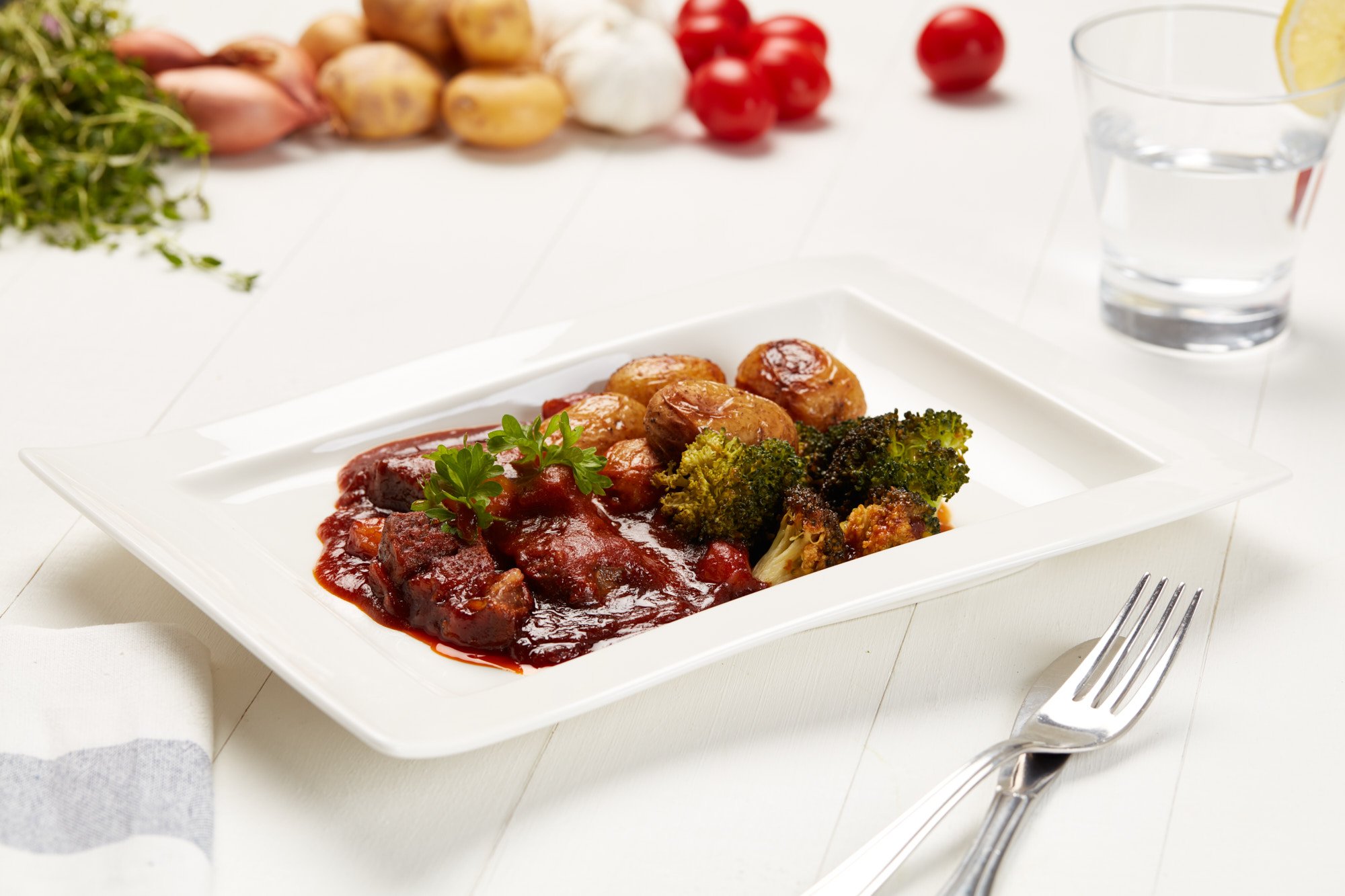
BonCulina founder Rickard Gillblad believes part of the answer lies in rethinking the role of frozen food. “Freezing gives food a second life,” he says. “It can prevent waste, preserve nutrition and allow us to enjoy quality food on demand.” He sees modern frozen meal systems as a way to bridge freshness, consistency and flexibility in environments where precision and care are paramount.
An immediate challenge for hospitals and aged care is the growing complexity of dietary requirements, especially given the IDDSI framework and new Standard 6 requirements. Rickard says frozen food systems, when implemented with care, can help reduce some of these pressures.
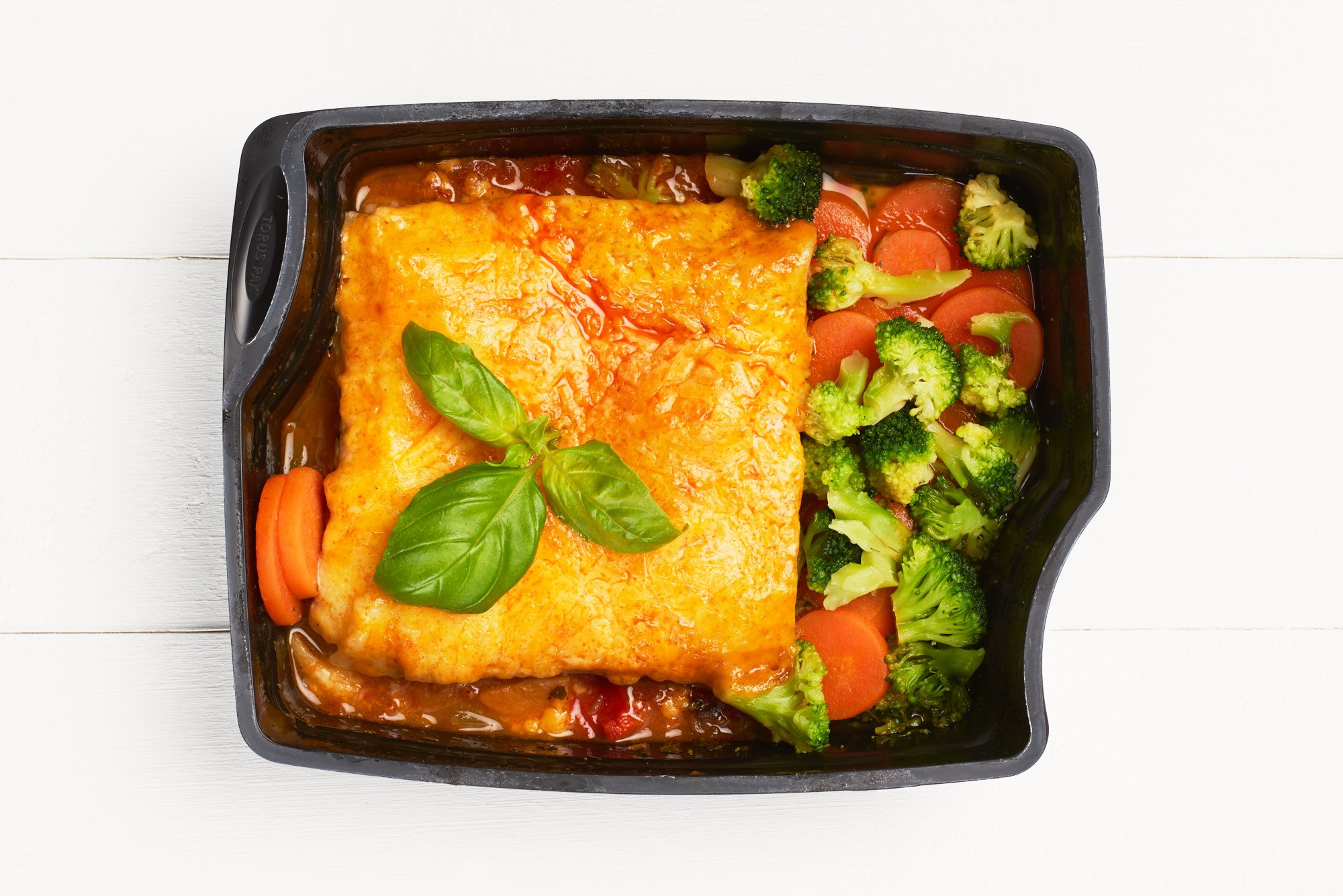
“By producing meals in controlled environments, freezing them immediately and reheating them when needed, operators gain flexibility without compromising food safety or nutrition. When food is cooled below minus 18 degrees Celsius, molecular motion slows to a crawl,” Rickard explains. “That helps preserve flavour and nutrients, provided the cold chain is properly maintained.” He adds this approach can give facilities greater adaptability – which is particularly important in aged care, where individual dietary needs can change suddenly.
However, Rickard cautions that technology alone is not the solution. “Perceptions of frozen food can strongly influence behaviour,” he says. “Adoption depends as much on confidence and education as on the technology itself.” Ensuring staff are trained in proper defrosting and plating methods, and continuously updating menus to prevent repetition, is essential to maintaining high standards of care and satisfaction.
Packaging and logistics also play a key role. To that end, BonCulina has partnered with Torus Pak, whose technology is designed to plate meals attractively after reheating while maintaining portion integrity. The packaging is designed to extend shelflife and reduce waste through improved sealing and portion control.
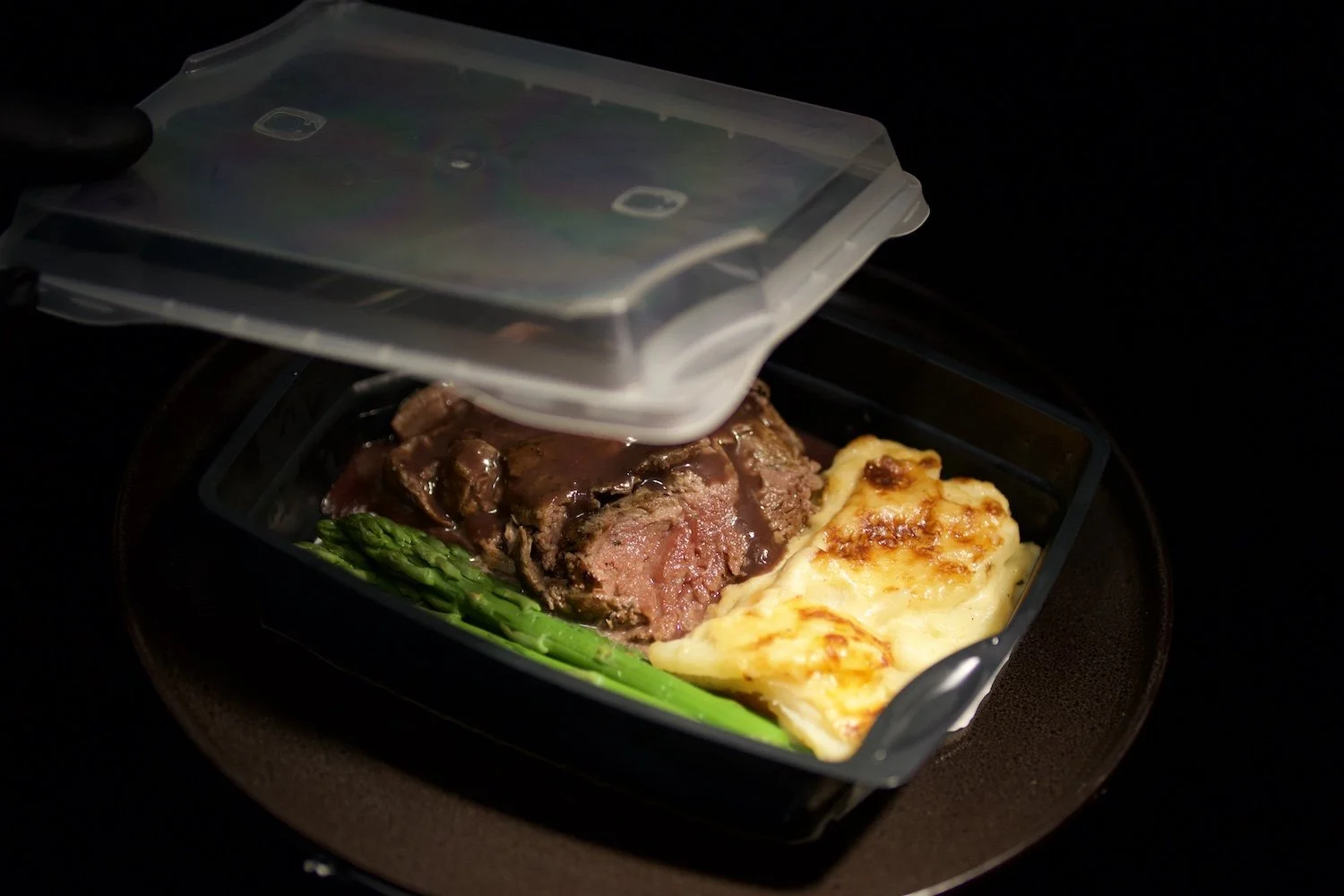
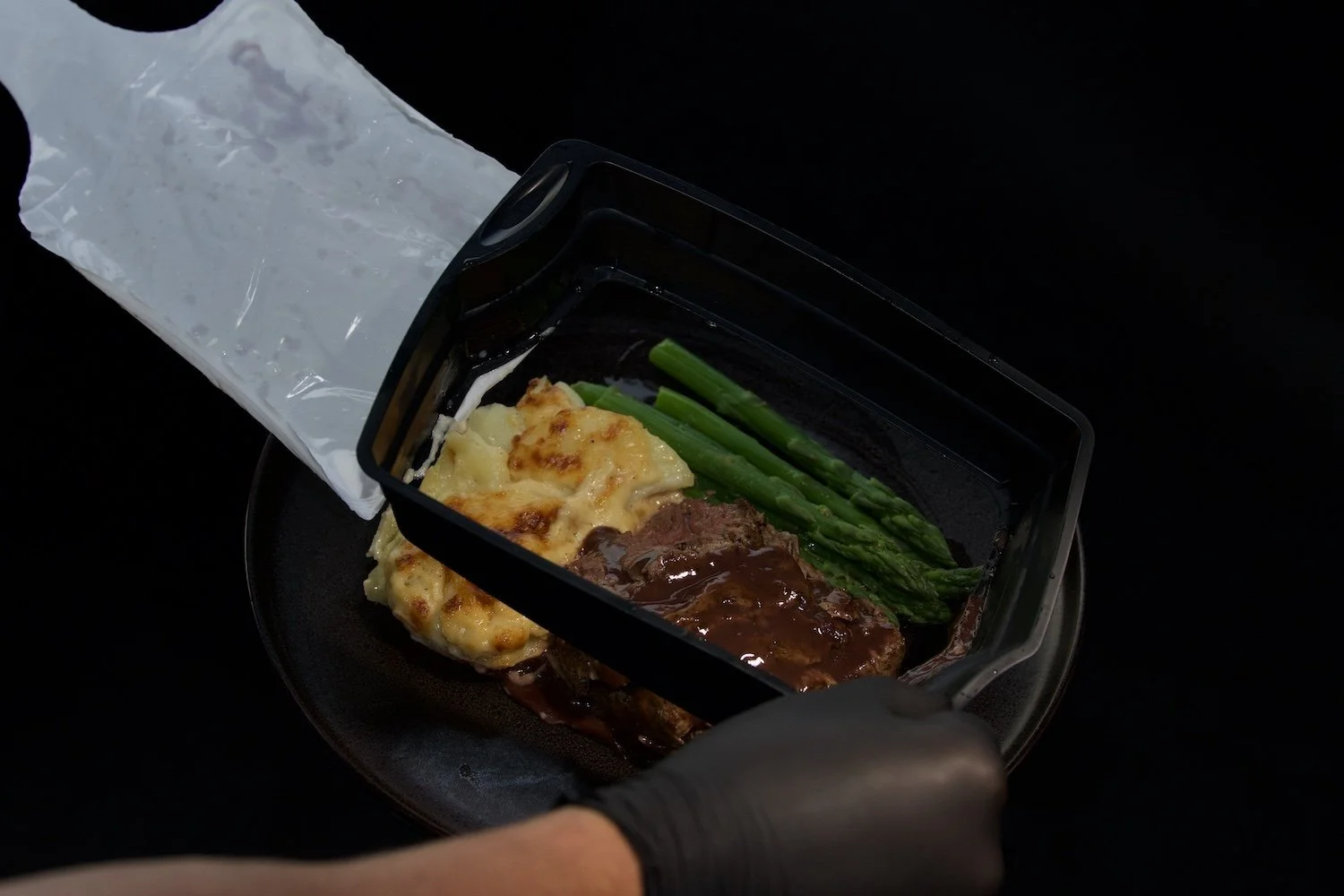
Rickard says that while materials like plastic often attract criticism, “a little plastic that prevents kilos of food from going bad can still deliver a net environmental benefit.” Used thoughtfully, packaging can help balance sustainability goals with safety and efficiency.
As Australia continues working toward its national target of halving food waste by 2030, the country’s hospitals and aged care providers have an opportunity to lead by example. Thoughtful integration of frozen meal systems, combined with smart menu design and responsible packaging, can help transform institutional dining into a model of both sustainability and care, where every plate serves a purpose as well as nourishment.
Bon Culina local contact: Damien Madden, +61 400 400 909