

Food safety units for apprentice chefs: the need to close the gaps
by Andrew Thomson *

Andrew Thomson
Food safety units of competency shape the foundational capability of Australia’s hospitality and foodservice workforce. But in their current form, these units no longer reflect the realities, risks or regulatory demands of today’s food environment.
Foodborne illness rates have steadily increased over the past three decades and most outbreaks continue to arise from foodservice and catering settings – the very environments these units are intended to support.
This trend led to the introduction of Food Safety Standard 3.2.2A, which strengthens skills-based requirements, formalises verification and reinforces the need for demonstrable competence.
Updating these units to reflect contemporary tools, practices and regulatory requirements is essential to building a workforce capable of reducing foodborne illness and ensuring safe operations.
Yet the proposed updates to these units – SITXFSA005 and SITXFSA006 – contain minimal reference to digital monitoring, verification practices, modern hazard control methods or the broader operational context in which food handlers work. They do not acknowledge how contemporary food businesses operate – with automated temperature monitoring, integrated food safety programs and increasingly complex production and service models.
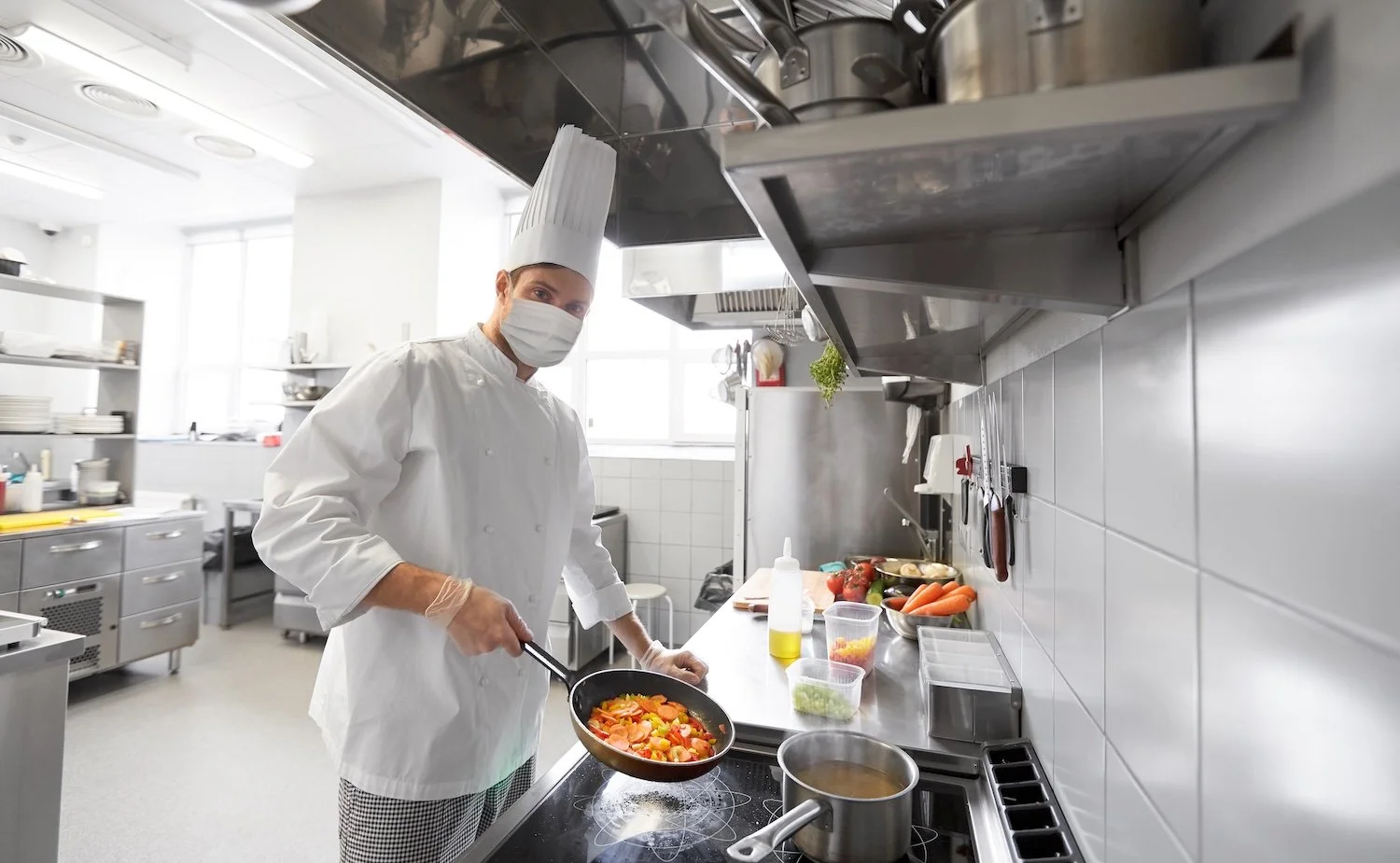
While chefs routinely face food safety risks, many do not fully understand the underlying principles, largely because current training is not presented in a simple, practical or operationally relevant way. Food safety is fundamentally about people and process: how decisions are made, how controls are applied and how consistently systems are followed.
Australia has now adopted a risk-based approach to food safety aligned with international standards and guidelines. Units of competency must therefore enable chefs to recognise food safety hazards, apply controls confidently and make safe decisions during routine and high pressure service conditions.
Additionally, the idea of treating food safety as a prerequisite – rather than a capability embedded throughout all relevant units – is an outdated one. It weakens the operational importance of food safety and assumes that once taught it remains understood and consistently applied.
As a result, the current units do not adequately prepare learners to protect consumers, meet modern compliance expectations or perform competently in real kitchens. The most significant gaps are:
Limited development of risk-based thinking
The units do not build the cognitive skills needed to understand why controls matter or anticipate what happens when they are missed.
Weak connection to organisational systems
Competence must include the ability to operate within a Food Safety Program and organisational systems – not just perform individual hygiene tasks.
Missing food safety culture behaviours
The behavioural elements that underpin a strong food safety culture are not being addressed.
Insufficient relevance to chef and production contexts
The content focuses heavily on personal hygiene while giving limited attention to production risks and kitchen realities.
Gaps in contamination and control knowledge
Key omissions include:
Allergen cross-contact
Temperature abuse scenarios
Basic food microbiology
Multi-stage preparation hazards
Cooling, reheating, hot holding and batch production risks
Risks associated with high-risk foods
Structured coolroom storage practices
Environmental contamination risks (condensation, pests)
Verification activities (eg thermometer calibration, visual checks)
Apprentice chefs require these skills to operate safely and confidently.
Lack of judgment-based assessment
Current performance evidence is superficial (eg washing hands three times, wearing a clean uniform). This promotes tick-box compliance rather than workplace/on-the-job capability.
What is missing:
Recognising and correcting unsafe behaviours in others
Adapting when procedures conflict with service demands
Making safe decisions during equipment or process failures
Problem-solving, situational awareness and reporting
To conclude, food safety competency must evolve to meet the complexity and expectations of today’s food industry. While the current units provide a foundation, they do not prepare individuals to operate safely, confidently or compliantly in modern hospitality and foodservice environments. They lack explicit requirements for contemporary monitoring tools, verification activities, enhanced allergen management and the operational practices required under food law.
Most importantly, the units do not emphasise the central purpose of food safety training: protecting consumers. With foodborne illness rates remaining high – and most linked to foodservice – training packages must address real operational risks and modern mitigation strategies.
Embedding food safety across all relevant units of competency, rather than treating it as an isolated prerequisite, will strengthen capabilities, support regulatory compliance and foster safe practices. A contemporary redesign is needed – one that aligns with new standards, integrates digital and verification skills and ensures the workforce can manage allergens, prevent contamination and maintain safe operations.
Updating these units is not simply a compliance matter – it is fundamental to consumer protection and essential to meeting Australia’s modern food safety challenges.
* Andrew Thomson is a Food Safety & Training Consultant, writer for Food Safety Magazine (US) and tutor at the University of Adelaide. Connect with Andrew at thinkstsolutions.com.au / info@thinkstsolutions.com.au