

IHHC plays role in efforts to solve the problem of food waste

Over the last several years the IHHC has been a supporting participant in Adelaide Business School’s Fight Food Waste Hospital Sector research project funded by University of Adelaide, the End Food Waste Cooperative Research Centre and the Queensland Government.
The fruits of this research is the Hospitals & Aged Care Food Waste Action Plan which was released in July. This report investigated food waste in hospitals and aged care facilities at three levels – patients and residents, organisational and policy – and found that, while they are significant contributors to food waste in Australia, such facilities are also uniquely positioned to drive change across the broader foodservice sector.

Dr Kate Sansome
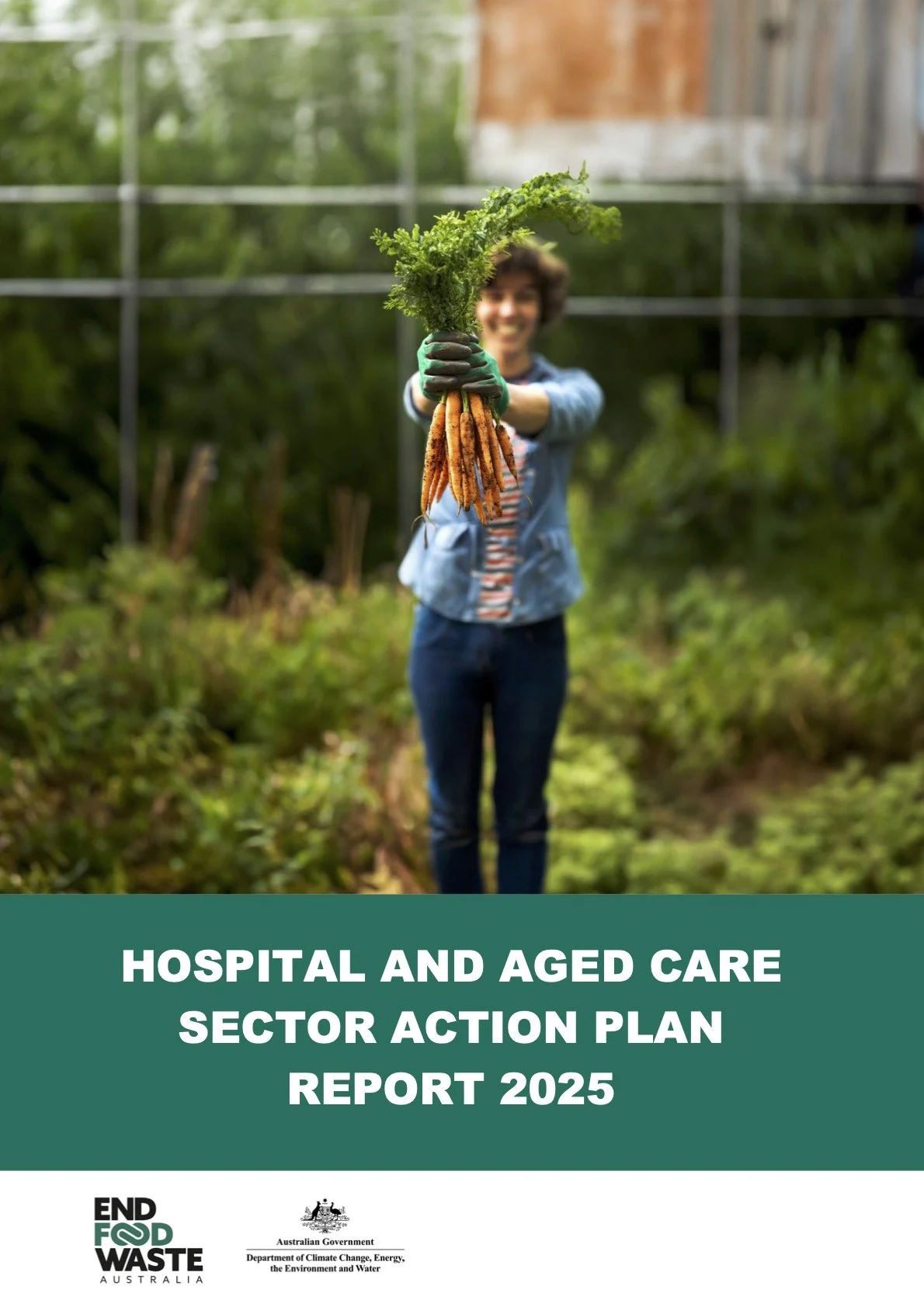
Click the above image to download the report
“Hospitals and aged care facilities have largescale routine food operations which gives them the power to influence suppliers, model best practice and educate staff and patients, helping reduce food waste across the broader food service sector,” explains Dr Kate Sansome from the Adelaide Business School at the University of Adelaide.

The IHHC was able to make a valuable contribution to the report’s research by providing the opportunity for Kate and a colleague to present at last year’s National Conference in Perth. The conference also hosted a co-design workshop where various types of interventions were presented and feedback sought from IHHC members and conference attendees.
“We asked people in the room what they liked and disliked, then did a risk-mapping exercise, looking at how room service style meals might reduce food waste while also considering possible risks,” Kate explains.

“It was very helpful to hear the conference delegates’ thoughts as there were some diverse viewpoints – some dietitians were focused on the health and wellbeing of residents, while others in the room were looking at reputational risk management.
“After the conference, we also participated with the IHHC in an online brainstorming session last November, asking participants to consider possible ways to reduce food waste in health and aged care. In total we had more than 100 people who participated through the IHHC, either via the online workshop or at the conference.”
“Our research has found that while food safety and nutrition guidelines are important, the interpretation of the guidelines results in unnecessary waste”
Kate adds that the IHHC lent its support to the project from the outset, before even the funding for the research had been officially approved. “IHHC National President Lisa Cranham was in meetings about the project before I came on board, sharing learnings from what St John of God achieved in shifting to room service style delivery as a means of reducing food waste, and she was instrumental in providing valuable input from the IHHC.”

St John of God Hospital Geelong room service delivery
The final report delivers some sobering figures, including that institutions such as hospitals, aged care facilities, schools and prisons generate approximately 251,000 tonnes of food waste annually in Australia, equivalent to more than 500,000 meals.
In aged care, around 3.5 kilograms of food per resident is wasted each week, costing up to $1,000 per facility weekly. In hospitals, about 30 per cent of food is left uneaten on plates with up to 50 per cent of hospital waste being food.
The mixed-methods study found food waste in hospitals and aged care settings is driven by a complex mix of factors.
“Our research has found that while food safety and nutrition guidelines are important, the interpretation of the guidelines results in unnecessary waste,” Kate says.
“There’s a culture of risk aversion, so staff may serve food even when it’s not wanted or throw away food that’s still safe, just to follow the rules. Many facilities also lack the infrastructure to collect and recycle food waste.”
She adds there is often limited staff, time and funding at an organisational level to support waste reduction strategies.
“Meal orders are made well in advance of consumption. If a patient’s condition changes, the food often goes uneaten. Standardised meals often don’t meet individual needs and top-down initiatives often fail without staff buy-in or practical support.”

The report outlines a three-stage framework to support change:
Stage one focuses on low-cost, low-effort interventions. “Visual bin checks and conversations with patients or residents about uneaten food are simple, low-resource interventions that could reduce the amount of food wasted,” Kate explains.
“Over time facilities can adopt more sophisticated methods, such as smart scales, camera bin tracking and digital tools that integrate waste data with menu ordering systems. These can help adjust procurement and preparation based on waste trends and communicate environmental and financial impacts to leadership.”
“Reducing food waste in hospitals and aged care will require collective, connected action to create lasting, practical change across the sector”
Stage two involves better aligning food delivery with actual consumption. Electronic ordering and room-service models, where patients order meals when they are hungry, can reduce waste by up to 59 per cent. However, this requires upfront investment and attention to nutritional outcomes.
Stage three is about celebrating success and building momentum. “Sharing case studies, appointing food waste champions and supporting staff-led initiatives can overcome resistance to change and embed sustainable practices across the sector,” Kate says. “Leadership and peer learning will be crucial to achieving a lasting impact.”
Much of the existing research on food waste has focused on individual levels such as households, kitchen staff or consumers. This new research highlights the need to look at larger systems of food preparation and delivery.
“We see a clear need for a coordinated, system-level approach that examines root causes across policy, organisations, staff and patients or residents,” Kate says. “Reducing food waste in hospitals and aged care will require collective, connected action to create lasting, practical change across the sector.”
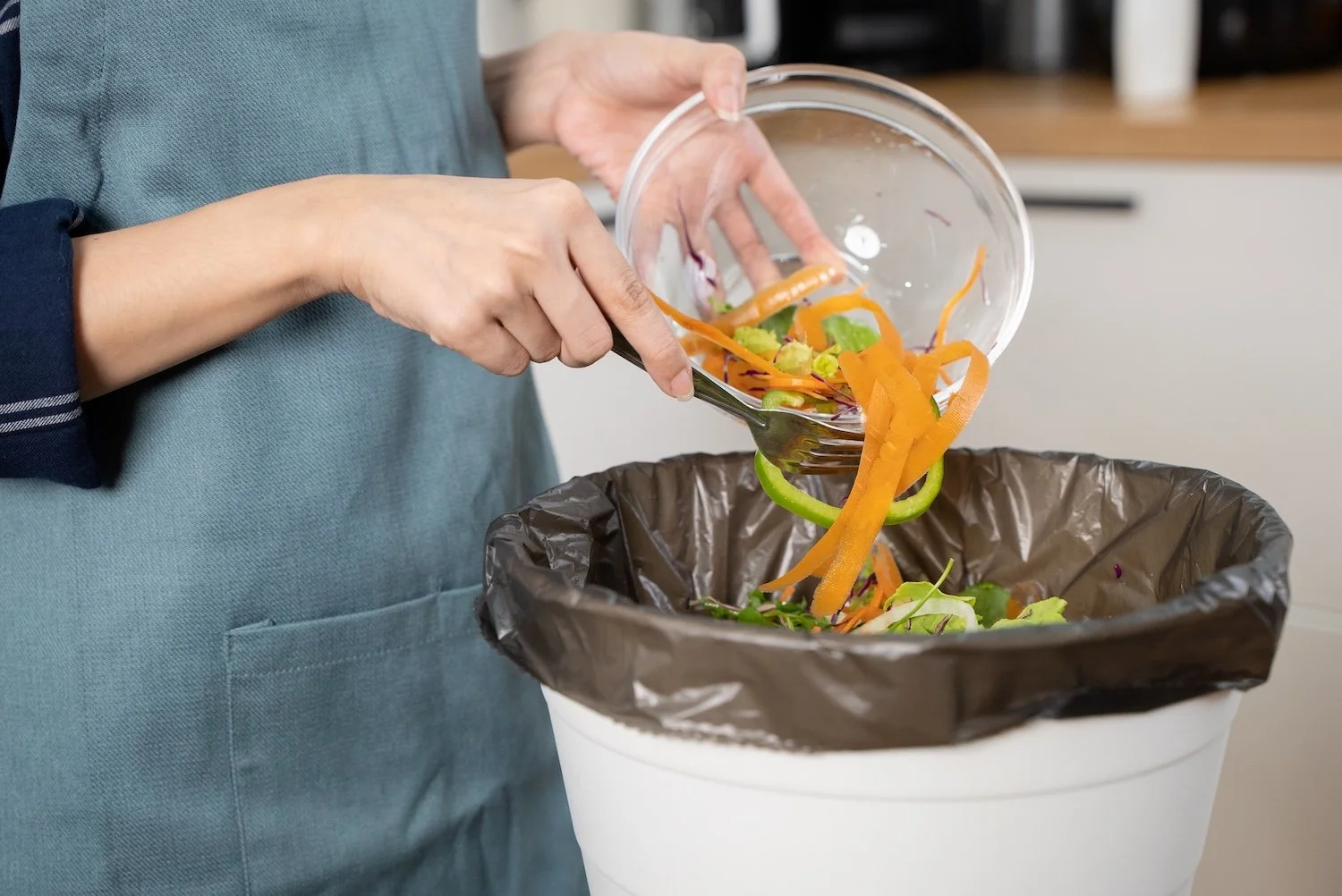
Food waste has significant environmental, economic, and social costs, particularly in hospitals and aged care. Unconsumed food in these settings is also linked to malnutrition, which can increase infection risk, prolong hospital stays and worsen health outcomes.
On a societal level food waste is particularly troubling given that 3.7 million Australian households experienced food insecurity last year - more than the number of households in Sydney and Melbourne combined.

Environmentally food waste contributes up to 10 per cent of global greenhouse gas emissions, more than aviation, plastic production and oil extraction combined. In Australia, an area the size of Victoria is used to grow food that ultimately ends up in the bin.
Kate says future research is needed to explore behavioural change strategies and evaluate different food service systems for waste reduction.